“You really have to try this lavender honey cake, it’s like nothing else,” my neighbor said one sunny afternoon as we chatted over the fence. Honestly, I was skeptical. Lavender in a cake? It sounded fancy, almost too delicate for my usual straightforward sweets. But that spring day, with the scent of blooming lilacs in the air, curiosity won over. I gave the recipe a shot, and well, it turned into a bit of an obsession—baking it multiple times in just one week. The floral notes of lavender paired with the natural sweetness of honey somehow made this cake feel like a quiet celebration, perfect for a day dedicated to the special women in our lives.
There’s something about the gentle aroma and subtle flavors that remind me of slow afternoons spent with a cup of tea and a good book. And that elderflower buttercream frosting? It’s the kind of unexpected twist that brings a soft, fragrant finish, making each bite feel like a little gift. This cake doesn’t shout for attention, but it lingers in memory—and isn’t that what you want for a Mother’s Day treat?
It’s not just a dessert; it’s a small ritual that feels thoughtful without being fussy. I love that it’s not overly sweet or heavy, just perfectly balanced with a texture that’s moist and tender. If you’re looking for a cake with a personality all its own—something that carries a floral whisper and a honeyed hug—this recipe might just become your new favorite, too.
Why You’ll Love This Recipe
Over the years, I’ve tested countless cakes, but this Perfect Lavender Honey Cake with Elderflower Buttercream stands out for so many reasons. It’s not your typical birthday cake or dense dessert—it offers that delightful touch of elegance for Mother’s Day or any special occasion where you want to impress without stress.
- Quick & Easy: You can mix and bake this cake in under 1 hour, making it ideal for last-minute celebrations or when time’s tight but you want something special.
- Simple Ingredients: No need for exotic or hard-to-find items; the recipe uses pantry staples plus a few floral ingredients that are surprisingly easy to source.
- Perfect for Mother’s Day: This cake’s delicate flavor and pretty lavender hue make it a standout centerpiece that feels personal and thoughtful.
- Crowd-Pleaser: Whether your family is adventurous or prefers classic flavors, this cake strikes a lovely balance—kids and adults alike have given it rave reviews.
- Unbelievably Delicious: The honey adds natural sweetness and moistness, while the elderflower buttercream adds a subtle, fragrant twist that’s unlike any frosting you’ve had before.
What really sets this recipe apart is the way it blends floral notes without overpowering the cake’s natural honey flavor. The elderflower buttercream is a clever twist—light, airy, and just fragrant enough to complement without competing. This isn’t just a cake; it’s a little moment of calm and sweetness that feels like a gift wrapped in frosting.
Plus, if you want to see a savory counterpart with equally thoughtful flavors, you might enjoy the easy keto stuffed peppers I recently tried. They’re perfect for a well-rounded meal before indulging in cake!
What Ingredients You Will Need
This recipe uses simple, wholesome ingredients to deliver a moist, fragrant cake with a smooth, floral buttercream that’s anything but ordinary. Most of these are pantry staples or easy to find in specialty shops or online.
- For the Cake Batter:
- All-purpose flour (2 ½ cups / 315 g) – provides structure, sifted for lightness
- Baking powder (2 tsp) – helps the cake rise nicely
- Baking soda (½ tsp) – balances acidity and aids rise
- Salt (¼ tsp) – enhances flavors
- Unsalted butter (1 cup / 226 g), softened – I prefer Plugrá for creaminess
- Honey (¾ cup / 255 g) – the star sweetener, adds moisture and natural floral notes
- Granulated sugar (½ cup / 100 g) – balances honey’s deep sweetness
- Large eggs (3), room temperature – for richness and structure
- Whole milk (1 cup / 240 ml), room temperature – keeps the crumb tender
- Pure vanilla extract (1 tsp) – rounds out flavors
- Food-grade dried lavender buds (1 tbsp) – use culinary lavender, finely ground or crushed lightly for subtle infusion
- For the Elderflower Buttercream:
- Unsalted butter (1 cup / 226 g), softened – room temperature for smooth whipping
- Powdered sugar (3 cups / 360 g), sifted – ensures silky frosting
- Elderflower cordial (3 tbsp) – adds that delicate floral note, look for brands like St-Germain or Belvoir
- Heavy cream (2 tbsp) – lightens the buttercream texture
- Vanilla extract (½ tsp) – enhances the elderflower flavor
Feel free to swap whole milk with almond or oat milk if you prefer a dairy-free option, though the texture will vary slightly. For the lavender, be sure to avoid using potpourri or non-culinary varieties—this is one floral ingredient that demands quality for safety and taste.
Equipment Needed
- Two 8-inch (20 cm) round cake pans – non-stick or well-greased for easy release
- Electric mixer (stand or hand) – for creaming butter and whipping buttercream smoothly
- Mixing bowls – a large one for dry ingredients and another for wet
- Measuring cups and spoons – precise measurements make a big difference
- Sifter or fine-mesh sieve – for flour and powdered sugar
- Spatula – ideal for folding ingredients and scraping bowls clean
- Cooling racks – to cool cakes evenly without sogginess
- Offset spatula or butter knife – for spreading buttercream evenly
If you don’t have two cake pans, you can bake the batter in one and slice it horizontally after cooling to create layers. Electric mixers make life easier here, but a sturdy whisk and some elbow grease can work in a pinch. I’ve found that investing in a good-quality sifter really improves the cake’s texture by avoiding lumps.
Preparation Method
- Prep the pans and oven: Preheat your oven to 350°F (175°C). Grease two 8-inch (20 cm) round cake pans and line the bottoms with parchment paper. This helps the cakes release easily once baked. Set aside.
- Sift dry ingredients: In a large bowl, sift together 2 ½ cups (315 g) all-purpose flour, 2 tsp baking powder, ½ tsp baking soda, and ¼ tsp salt. Stir in 1 tbsp finely crushed culinary lavender buds so they’re evenly distributed. This helps avoid pockets of lavender flavor.
- Cream butter and sweeteners: Using an electric mixer, beat 1 cup (226 g) softened unsalted butter until light and fluffy (about 3 minutes). Slowly add ¾ cup (255 g) honey and ½ cup (100 g) granulated sugar, continuing to beat until the mixture is airy and smooth. This step is key for a tender crumb.
- Add eggs and vanilla: Beat in 3 room-temperature eggs one at a time, mixing well after each addition. Then add 1 tsp vanilla extract. If the batter looks like it might curdle (a common sight here), don’t worry—it will come together when dry ingredients are added.
- Incorporate dry and wet ingredients: Alternate adding the flour mixture and 1 cup (240 ml) whole milk to the butter mixture, starting and ending with the flour. Mix gently but thoroughly after each addition, scraping down the bowl to ensure even mixing. The batter should be smooth and pourable but not runny.
- Divide and bake: Pour the batter evenly into the prepared pans, smoothing the top with a spatula. Bake for 30-35 minutes, or until a toothpick inserted in the center comes out clean. You’ll notice a lovely golden hue and a subtle floral scent filling the kitchen.
- Cool the cakes: Let the cakes cool in their pans for 10 minutes, then turn them out onto wire racks to cool completely. This step prevents soggy bottoms and keeps the crumb light.
- Make the elderflower buttercream: Beat 1 cup (226 g) softened unsalted butter with an electric mixer until creamy. Gradually add 3 cups (360 g) sifted powdered sugar, beating on low speed to avoid sugar clouds. Once combined, add 3 tbsp elderflower cordial, 2 tbsp heavy cream, and ½ tsp vanilla extract. Increase speed and whip until light and fluffy (about 3-4 minutes). Taste and adjust elderflower to preference.
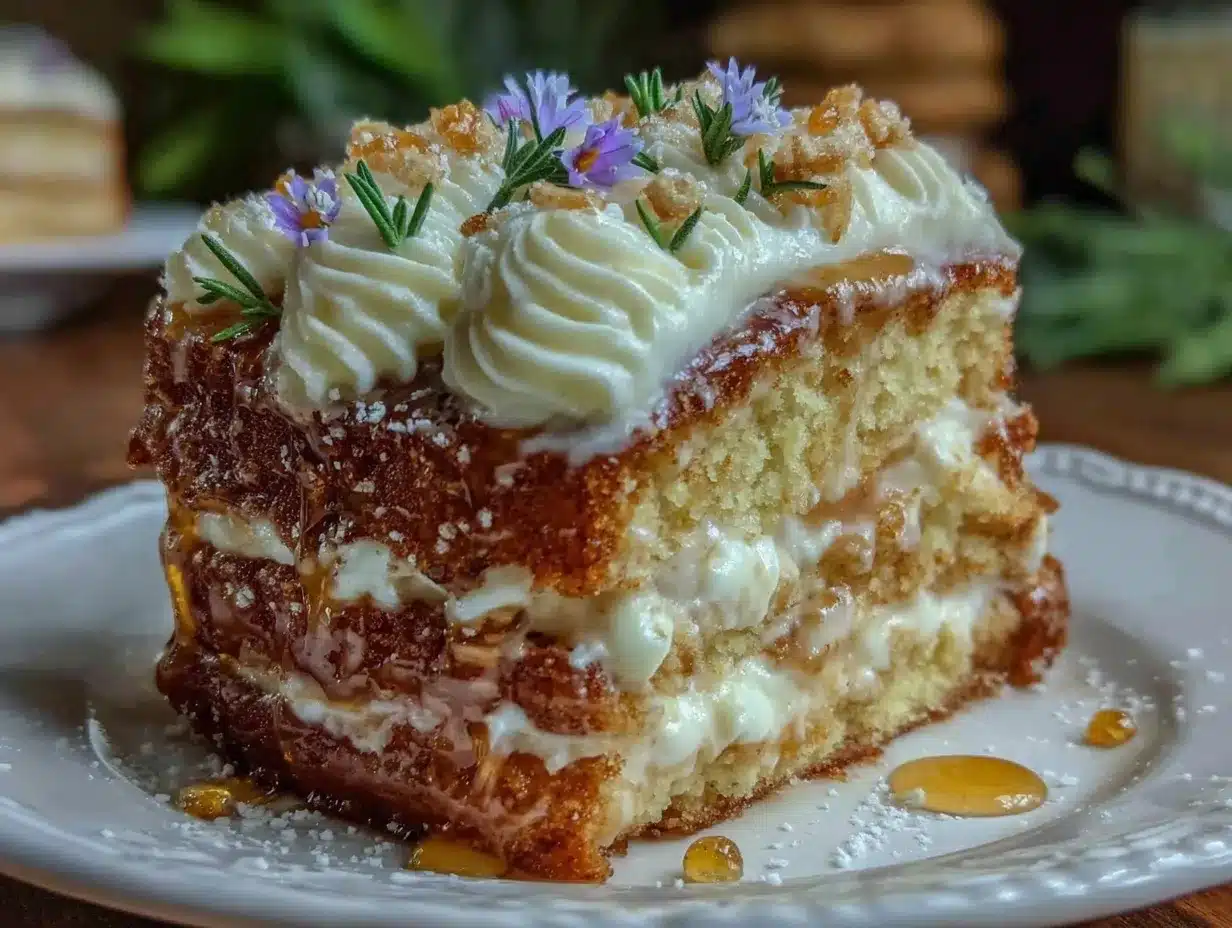
- Assemble the cake: If layers have domed, level them with a serrated knife. Spread a generous layer of elderflower buttercream on the bottom layer, then place the second layer on top. Cover the entire cake with the remaining frosting, smoothing or swirling for a charming, homemade finish.
One tip I learned the hard way: don’t rush cooling before frosting, or the buttercream will melt and slide off. Also, folding the lavender gently into the dry ingredients instead of stirring too hard keeps those little floral bursts intact without overwhelming the batter.
Cooking Tips & Techniques
Getting this cake just right means paying attention to a few details that might seem small but make a big difference. First, when working with lavender, less is more. Too much can make the cake taste soapy or bitter, so stick to culinary-grade lavender and crush it finely.
Also, creaming the butter and honey well is essential. It’s what traps air and creates a tender crumb. I always start with room temperature ingredients to keep everything smooth and avoid curdling when adding eggs.
When mixing wet and dry ingredients, alternate additions and mix gently. Overmixing develops gluten and leads to a denser cake, which is the opposite of what you want here.
For the elderflower buttercream, whipping it long enough is key to avoiding a grainy texture. If your frosting feels too stiff, a splash more cream can lighten it. If too soft, a touch more powdered sugar helps firm it up.
Timing-wise, multitasking is your friend. While the cakes bake, get your buttercream ready so you can frost as soon as they’re cooled. I like to chill the cake for 10 minutes before frosting to help set the crumb and prevent crumbs mixing into the frosting.
One mistake I made was making the buttercream too early without refrigeration—it lost some of its lightness. So, keep it covered and chilled if not using right away, then whip again briefly before frosting.
Variations & Adaptations
This lavender honey cake is versatile and open to some fun variations. Here are a few ways to make it your own:
- Gluten-Free Version: Substitute the all-purpose flour with a 1-to-1 gluten-free baking blend. The texture will be slightly different but still moist and flavorful.
- Vegan Adaptation: Use flax eggs (3 tbsp ground flaxseed mixed with 9 tbsp water) in place of eggs, coconut oil instead of butter, and a plant-based milk like oat milk. Swap honey for maple syrup for strict vegan compliance.
- Seasonal Twist: Add fresh berries between cake layers or a light lemon glaze on top for a bright contrast. In summer, elderflower cordial pairs beautifully with fresh raspberries.
- Alternative Frostings: Try a whipped cream cheese frosting with a hint of lemon zest for a tangy balance, or a simple honey glaze for a lighter finish.
Personally, I once swapped elderflower cordial for a lavender-infused syrup I made at home. It was a bit stronger but still lovely. I’d recommend starting with the cordial for a balanced flavor unless you want a more intense floral punch.
Serving & Storage Suggestions
This cake is best served at room temperature to allow the honey and elderflower flavors to shine. I like to slice it thinly and pair it with a cup of Earl Grey or chamomile tea for a calming afternoon break.
It makes a stunning centerpiece for Mother’s Day brunch but also works beautifully for bridal showers or garden parties. If you want a savory touch before dessert, dishes like the creamy one-pot chicken pasta complement the cake’s delicate sweetness well.
To store, cover the cake loosely with plastic wrap or place in an airtight container. It keeps well in the fridge for up to 3 days. Bring it back to room temperature before serving for best texture. You can freeze the cake layers without frosting for up to 2 months; thaw completely before frosting and assembling.
Over time, the elderflower buttercream’s flavor softens and melds with the honey cake, making leftovers even more mellow and aromatic—a happy surprise if you save some for the next day.
Nutritional Information & Benefits
Each slice (based on 12 servings) of this lavender honey cake contains roughly:
| Calories | 320 kcal |
|---|---|
| Fat | 16 g |
| Carbohydrates | 40 g |
| Protein | 3 g |
The honey used is a natural sweetener, which provides antioxidants and trace nutrients compared to refined sugar. Lavender has calming properties and is often used in aromatherapy, though the baking process reduces these effects.
This cake is not gluten-free unless substitutions are made. It contains dairy and eggs, so it’s not suitable for strict vegans or those with allergies unless adapted as noted above.
From a wellness perspective, this cake is a treat that feels lighter on the palate and less cloying than many butter-heavy desserts. It’s a nice option for those who want a special dessert without feeling weighed down.
Conclusion
This Perfect Lavender Honey Cake with Elderflower Buttercream has become my go-to when I want a dessert that’s a little bit different but still comforting and familiar. It’s the kind of recipe that invites you to slow down and savor the small moments—exactly what Mother’s Day is about, right?
Feel free to tweak it to your liking, whether that means dialing up the floral notes or adding fresh berries for a pop of color. I love how this cake manages to feel elegant without being complicated, making it accessible for any home baker wanting to make a meaningful gesture.
If you try this recipe, I’d love to hear how you made it your own. And if you’re planning a full meal, pairing this cake with a simple but tasty main like crockpot chicken taco bowls can round out a feast that feels special from start to finish.
Here’s to celebrating the moms, grandmas, and mother figures with a slice of something sweet and a whole lot of love.
FAQs
Can I use fresh lavender instead of dried?
Fresh lavender can be used, but it’s much stronger and more pungent. Use sparingly and remove any stems. Dried culinary lavender is preferred for consistent flavor.
What if I don’t have elderflower cordial?
You can substitute with a mild honey or a splash of vanilla extract, but you’ll miss the unique floral note elderflower adds. You might also try a lavender syrup for a different but complementary flavor.
How do I store leftover cake?
Store the cake covered in the fridge for up to 3 days. Bring it to room temperature before serving for the best texture and flavor.
Can I make this cake gluten-free?
Yes! Swap the all-purpose flour with a 1-to-1 gluten-free baking blend. The texture will be slightly denser but still delicious.
Is this cake suitable for kids?
Definitely! The flavors are gentle and not overly floral or sweet, making it a hit with kids and adults alike. Just ensure the lavender amount is moderate to avoid bitterness.
Pin This Recipe!
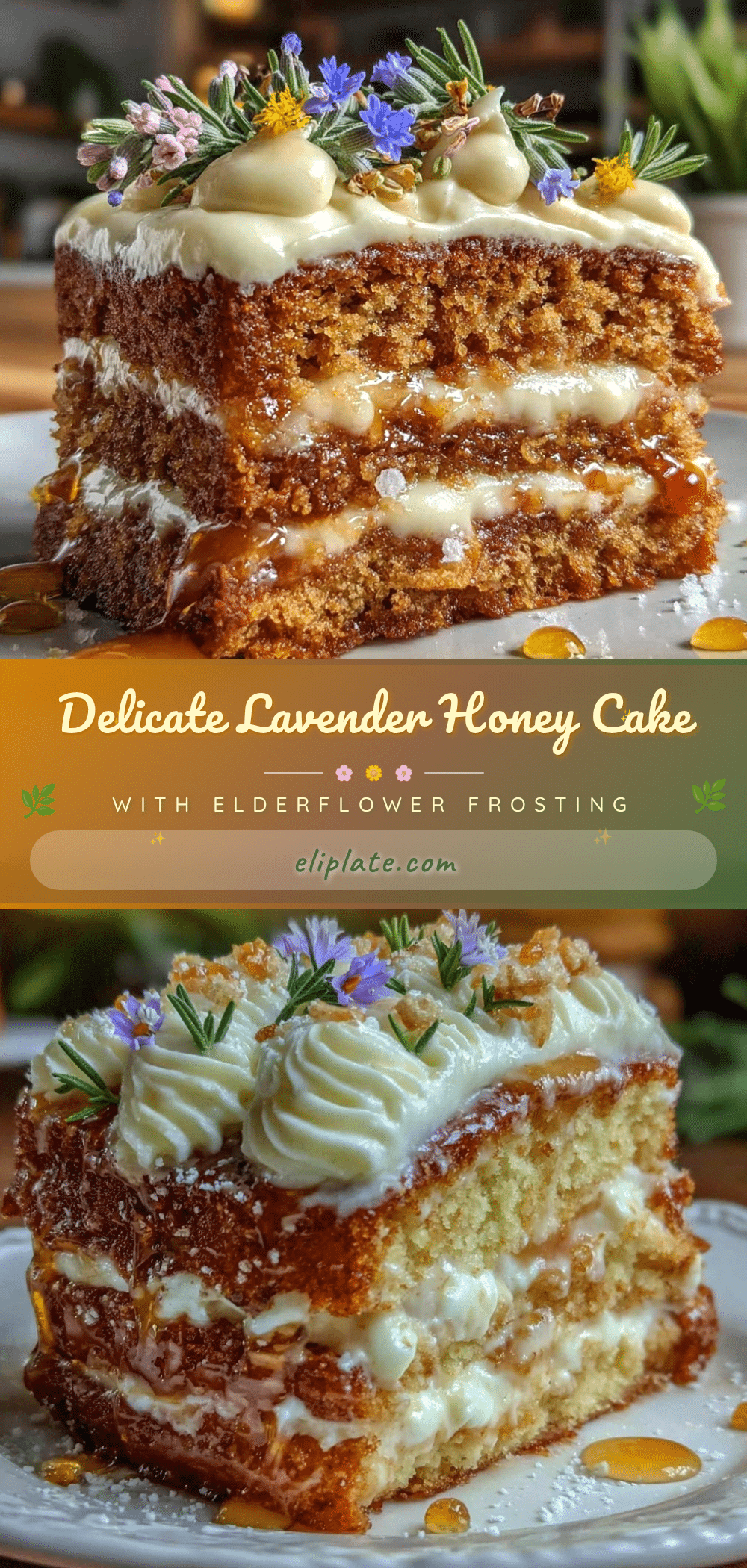
Perfect Lavender Honey Cake Recipe with Elderflower Buttercream for Easy Mothers Day Celebration
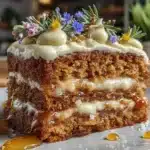
A moist and tender lavender honey cake paired with a delicate elderflower buttercream frosting, perfect for Mother’s Day or any special occasion. This cake offers a subtle floral flavor balanced with natural honey sweetness.
- Prep Time: 20 minutes
- Cook Time: 35 minutes
- Total Time: 55 minutes
- Yield: 12 servings 1x
- Category: Dessert
- Cuisine: American
Ingredients
- 2 ½ cups (315 g) all-purpose flour, sifted
- 2 tsp baking powder
- ½ tsp baking soda
- ¼ tsp salt
- 1 cup (226 g) unsalted butter, softened
- ¾ cup (255 g) honey
- ½ cup (100 g) granulated sugar
- 3 large eggs, room temperature
- 1 cup (240 ml) whole milk, room temperature
- 1 tsp pure vanilla extract
- 1 tbsp food-grade dried lavender buds, finely ground or lightly crushed
- For the Elderflower Buttercream:
- 1 cup (226 g) unsalted butter, softened
- 3 cups (360 g) powdered sugar, sifted
- 3 tbsp elderflower cordial
- 2 tbsp heavy cream
- ½ tsp vanilla extract
Instructions
- Preheat oven to 350°F (175°C). Grease two 8-inch round cake pans and line bottoms with parchment paper.
- Sift together flour, baking powder, baking soda, salt, and lavender buds in a large bowl.
- Using an electric mixer, beat softened butter until light and fluffy (about 3 minutes). Slowly add honey and granulated sugar, beating until airy and smooth.
- Beat in eggs one at a time, mixing well after each addition, then add vanilla extract.
- Alternate adding the flour mixture and milk to the butter mixture, starting and ending with flour. Mix gently but thoroughly after each addition.
- Divide batter evenly between prepared pans and smooth tops. Bake for 30-35 minutes or until a toothpick inserted in the center comes out clean.
- Cool cakes in pans for 10 minutes, then turn out onto wire racks to cool completely.
- For the buttercream, beat softened butter until creamy. Gradually add powdered sugar on low speed. Add elderflower cordial, heavy cream, and vanilla extract. Whip on high speed until light and fluffy (3-4 minutes).
- Level cake layers if domed. Spread buttercream on bottom layer, place second layer on top, then cover entire cake with remaining frosting, smoothing or swirling as desired.
Notes
Use culinary-grade dried lavender buds finely crushed for best flavor. Avoid overmixing batter to keep cake tender. Cool cakes completely before frosting to prevent buttercream from melting. Buttercream can be adjusted with more cream or powdered sugar for desired consistency. Store cake covered in fridge up to 3 days; freeze unfrosted layers up to 2 months.
Nutrition
- Serving Size: 1 slice (1/12 of cak
- Calories: 320
- Fat: 16
- Carbohydrates: 40
- Protein: 3
Keywords: lavender honey cake, elderflower buttercream, Mother's Day cake, floral cake, easy cake recipe, honey cake, buttercream frosting