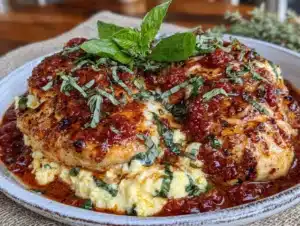
I figured pork tenderloin was just another cut to roast and hope for the best. It took about 30 minutes for that assumption to fall apart completely — thanks to a late-night experiment with brown sugar and balsamic vinegar that turned my usual dry pork into something unexpectedly tender and sticky-sweet. Honestly, I thought the idea of mixing sweet brown sugar with tangy balsamic sounded off — like they’d fight rather than play nice. But as soon as that aroma hit the kitchen, I knew I was onto something different.
That first bite was a quiet revelation. The pork was juicy, with a caramelized crust that had just the right balance of sweet and tangy — no cloying sugar, no overpowering vinegar, just a friendly handshake of flavors. It’s the kind of recipe that doesn’t demand to be fussed over but rewards you with a dinner that feels thoughtfully put together. I still remember pulling it from the oven, letting the glaze bubble and thicken while I tossed together a quick side salad.
What stuck with me, besides the taste, was how this brown sugar balsamic pork tenderloin recipe changed my approach to weeknight dinners. It’s practical, forgiving, and kind of charming in its simplicity. No fancy technique, no hard-to-find ingredients, just a straightforward combo that makes pork shine. If you’re like me — someone who learns by doing, often by messier trial and error — this recipe feels like a dependable friend you can count on when you want a real, satisfying meal without the stress.
It’s also the kind of recipe that quietly promises you’ll have dinner guests asking for seconds without any awkward “what did you put in this?” questions. And that’s a trust you don’t give lightly in the kitchen.
Why You’ll Love This Recipe
After testing this brown sugar balsamic pork tenderloin recipe a handful of times (and tweaking it here and there), I can say it’s become one of those reliable meals that always delivers. Here’s why it stands out:
- Quick & Easy: Ready in under 45 minutes from start to finish — perfect for busy weeknights or when you need a last-minute dinner idea that feels special.
- Simple Ingredients: You likely have most of these in your pantry already — brown sugar, balsamic vinegar, garlic — nothing fancy or intimidating.
- Perfect for Dinner Parties: The glossy glaze and tender meat make it look like you spent hours, but honestly, it’s a no-fuss crowd-pleaser.
- Crowd-Pleaser: Kids and adults alike tend to love this sweet-and-savory combo, which is a rare win in my house.
- Unbelievably Delicious: The texture is juicy, the flavors balanced — that sticky, caramelized crust is the real star here.
What really makes this recipe different? It’s the way the brown sugar and balsamic vinegar marry during roasting, creating a glaze that’s not too thick but perfectly coats the pork, locking in moisture and flavor. Plus, a little mustard in the marinade adds subtle depth and a slight tang that keeps things interesting.
This isn’t just another pork tenderloin recipe; it’s a straightforward, no-nonsense way to get a dinner that looks and tastes like you spent way more time on it than you actually did. And if you want to add a fresh, crisp side, you might enjoy pairing it with a zucchini ribbon salad with lemon parmesan dressing — it cuts through the richness beautifully.
What Ingredients You Will Need
This recipe uses simple, wholesome ingredients to deliver bold flavor and satisfying texture without the fuss. Most are pantry staples, and substitutions are easy if you need them.
- Pork Tenderloin: 1.5 pounds (about 680 grams), trimmed of excess fat (look for a fresh, firm tenderloin at your butcher)
- Brown Sugar: 1/3 cup (packed) — light or dark brown sugar works; dark will add more molasses richness
- Balsamic Vinegar: 1/4 cup (60 ml) — I prefer a good-quality aged balsamic for depth, but standard balsamic is fine
- Garlic: 3 cloves, minced — fresh garlic is key here; it adds punch without overpowering
- Dijon Mustard: 1 tablespoon — adds a subtle tang and helps emulsify the glaze
- Olive Oil: 2 tablespoons — use extra virgin for flavor
- Salt: 1 teaspoon — kosher salt or sea salt for seasoning
- Black Pepper: 1/2 teaspoon, freshly ground
- Fresh Thyme or Rosemary: 1 teaspoon, chopped (optional but recommended for a fresh herbal note)
Substitution tips: If you want a gluten-free version, check that your mustard has no added gluten. Use coconut sugar instead of brown sugar for a slightly different sweetness with less moisture. For a dairy-free side, try pairing with heirloom tomato tart with basil pesto for a summery contrast.
Equipment Needed
- Baking Sheet or Roasting Pan: A rimmed baking sheet works well to catch drippings; if you have a roasting pan with a rack, even better for air circulation.
- Mixing Bowl: For whisking the glaze ingredients together.
- Whisk or Fork: To combine the marinade.
- Meat Thermometer: Highly recommended for perfectly cooked pork tenderloin; aims for 145°F (63°C) internal temperature.
- Brush: Optional, for spreading the glaze evenly before roasting.
- Aluminum Foil or Parchment Paper: To line the baking sheet for easier cleanup.
If you don’t have a meat thermometer, you can slice into the thickest part to check for slight pinkness, but it’s less precise. For budget-friendly alternatives, a standard oven-safe skillet can double as a roasting pan if you don’t want to dirty two dishes.
Preparation Method
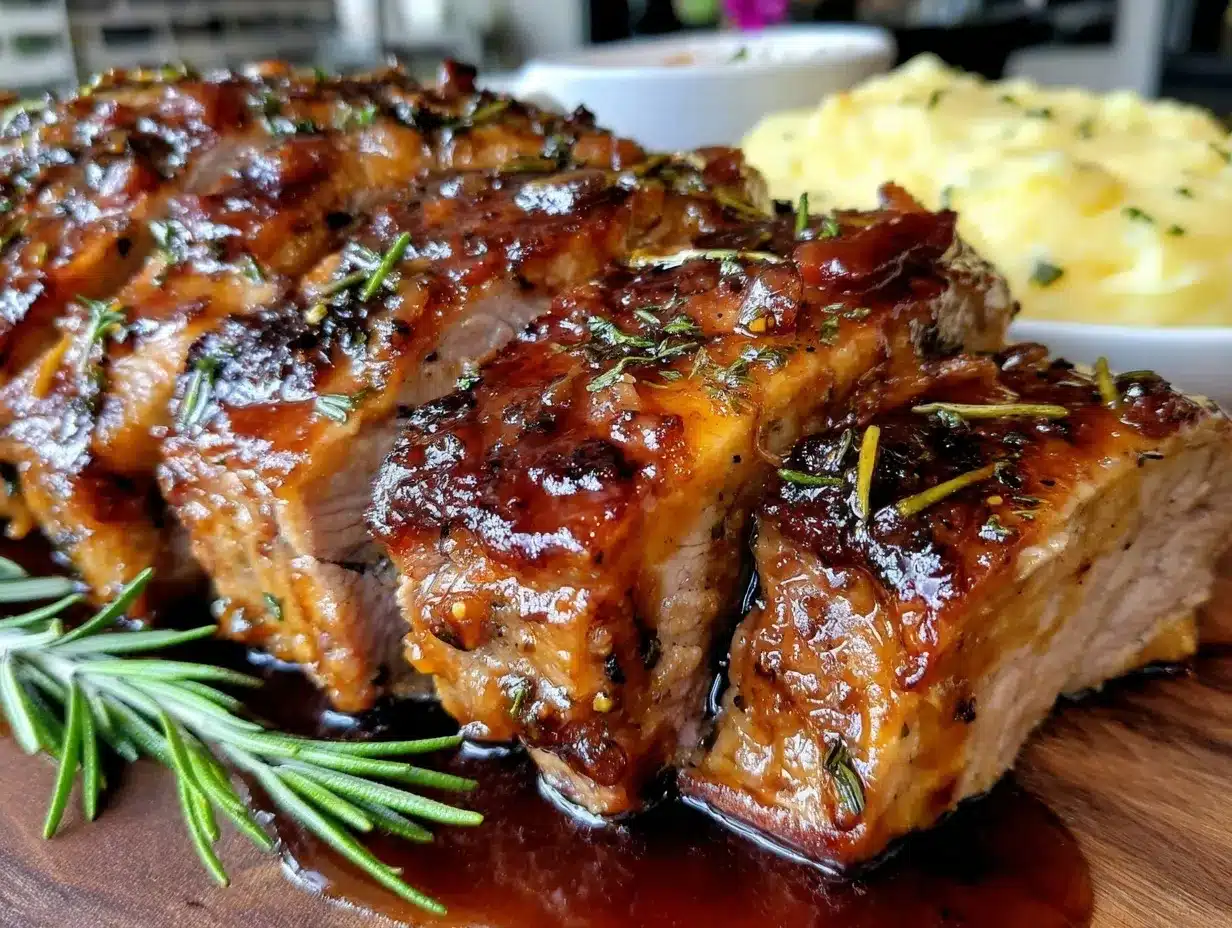
- Preheat your oven to 400°F (200°C). Line a baking sheet with foil or parchment paper for easy cleanup.
- Prepare the glaze: In a medium bowl, whisk together 1/3 cup brown sugar, 1/4 cup balsamic vinegar, minced garlic, 1 tablespoon Dijon mustard, 2 tablespoons olive oil, salt, pepper, and chopped fresh thyme or rosemary if using. The mixture should be glossy and pourable.
- Trim the pork tenderloin: Remove any silver skin or excess fat. Pat it dry with paper towels — this helps the glaze stick and promotes better caramelization.
- Brush or spoon half the glaze all over the pork, coating it evenly. Reserve the rest for basting later.
- Place the pork on the baking sheet and roast for 20 minutes. Then, pull it out, baste with the remaining glaze, and return to the oven for another 10-15 minutes. Cooking times vary depending on thickness; use a meat thermometer to check for 145°F (63°C) internal temperature.
- Rest the pork: Once done, tent with foil and let it rest for 5-10 minutes before slicing thinly. This step is crucial for juicy, tender meat.
- Serve: Slice and drizzle any pan juices or leftover glaze over the top for extra flavor.
Pro tip: If your glaze starts to brown too quickly during the second roasting phase, loosely cover the pork with foil to prevent burning while finishing cooking. The smell of the balsamic caramelizing is a great signal the glaze is working its magic.
Cooking Tips & Techniques
Let’s face it — pork tenderloin can be tricky. It’s lean, so overcooking dries it out fast. Here are some hard-won tips from my kitchen:
- Don’t skip the resting step. It might sound cliché, but letting the pork rest after roasting redistributes juices. Cutting too soon means you lose all that good moisture.
- Use a meat thermometer. I’ve ruined a few dinners guessing doneness. Aim for 145°F (63°C) and pull it out just before to avoid carryover cooking turning it dry.
- Pat the pork dry before glazing. Moisture on the surface prevents caramelization. You want that sweet, sticky crust, not steamed pork.
- Baste halfway through cooking. This reinforces the glaze and builds layers of flavor and texture.
- Watch your glaze closely. Brown sugar and balsamic can burn quickly. If your oven runs hot, consider lowering to 375°F (190°C) and extending cooking time slightly.
In my early attempts, I learned that rushing through any step or skipping basting results in a less impressive glaze. Trust me — the slow-building caramelization is worth the wait.
Variations & Adaptations
This brown sugar balsamic pork tenderloin recipe is wonderfully flexible. Here are some ways to change it up based on your mood or pantry:
- Spicy Twist: Add 1/2 teaspoon red pepper flakes or a splash of hot sauce to the glaze for a kick that contrasts the sweetness.
- Herb Infusion: Swap thyme or rosemary for sage or oregano, or toss in some fresh chopped parsley after roasting for a fresh pop.
- Gluten-Free: Simply check that your Dijon mustard is gluten-free (many are), and use coconut sugar instead of brown sugar if desired.
- Slow Cooker Version: Brown the glazed pork in a skillet first, then transfer to a slow cooker and cook on low for 3-4 hours, basting once or twice.
- Fruitier Note: Add a splash of apple cider vinegar to the glaze, or toss in some diced apples or pears around the pork to roast alongside for a seasonal touch.
One favorite variation I tried recently was pairing this pork with a quick savory stuffed yellow squash. The earthiness of the squash balanced the sweet balsamic glaze beautifully.
Serving & Storage Suggestions
This pork tenderloin shines best sliced thin and served warm, with the glossy glaze spooned over the top. I like to present it alongside fresh, crisp vegetables or a bright salad to cut through the sweetness — like a fresh zucchini ribbon salad or simple roasted asparagus.
For storage, wrap leftover pork tightly in foil or place in an airtight container and refrigerate for up to 3 days. The flavors actually deepen overnight, making it a great make-ahead dinner option. Reheat gently in a low oven (about 300°F/150°C) or covered in a skillet with a splash of water to keep it moist.
This pork also freezes well. Slice before freezing in portions and thaw overnight in the fridge. Reheat as above for a no-fuss meal later in the week.
Nutritional Information & Benefits
One serving (about 4 ounces or 113 grams of cooked pork tenderloin) contains roughly:
| Nutrient | Amount |
|---|---|
| Calories | 240 |
| Protein | 26 grams |
| Fat | 10 grams |
| Carbohydrates | 8 grams (mostly from brown sugar) |
| Sugar | 7 grams |
Pork tenderloin is a lean source of protein, rich in B vitamins and minerals like zinc and selenium. The inclusion of balsamic vinegar adds antioxidants, and the modest amount of brown sugar provides just enough sweetness without overloading. This recipe balances indulgence with nutrition, making it a smart choice for a satisfying weeknight dinner.
Conclusion
This flavorful brown sugar balsamic pork tenderloin recipe is one of those rare meals that feels special without the stress. It’s approachable, forgiving for cooks who learn by doing (like me), and delivers a juicy, sticky-sweet dinner that’s as satisfying on a Tuesday night as it is for weekend company.
Feel free to tweak the herbs, spice it up, or serve alongside your favorite fresh veggies — the basics hold strong, but the recipe invites your own spin. I love this pork because it’s proof that simple ingredients and straightforward techniques can create something truly memorable.
If you try it, I’d love to hear how you make it your own — drop a comment below and share your favorite twists or what you served it with. Here’s to many cozy dinners ahead!
FAQs About Brown Sugar Balsamic Pork Tenderloin
How do I know when the pork tenderloin is cooked perfectly?
Use a meat thermometer and remove the pork at 145°F (63°C). Let it rest to reach final temperature and keep juices locked in.
Can I make this recipe ahead of time?
Yes! You can prepare the glaze and marinate the pork a few hours or even overnight in the fridge for more flavor. Reheat gently before serving.
What can I substitute for balsamic vinegar?
Good-quality red wine vinegar with a touch of honey or maple syrup can mimic the tangy-sweet profile if you don’t have balsamic on hand.
Is this recipe gluten-free?
Yes, as long as you use gluten-free mustard. The other ingredients are naturally gluten-free.
What sides go well with this pork tenderloin?
Fresh salads like a zucchini ribbon salad, roasted vegetables, or creamy mashed potatoes are great companions.
Pin This Recipe!
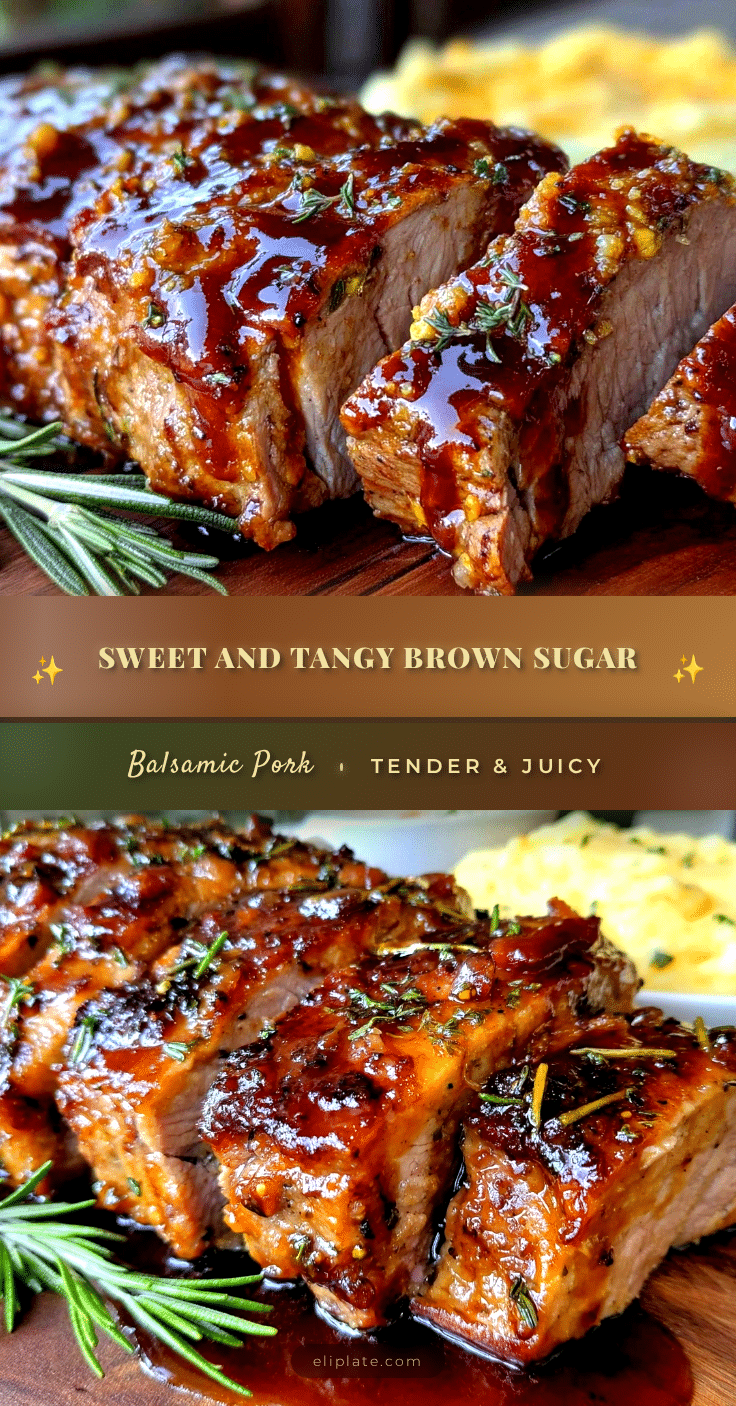
Flavorful Brown Sugar Balsamic Pork Tenderloin
A quick and easy pork tenderloin recipe featuring a sticky-sweet brown sugar and balsamic glaze that creates a juicy, caramelized crust perfect for weeknight dinners or dinner parties.
- Prep Time: 10 minutes
- Cook Time: 35 minutes
- Total Time: 45 minutes
- Yield: 4 servings 1x
- Category: Main Course
- Cuisine: American
Ingredients
- 1.5 pounds pork tenderloin, trimmed of excess fat
- 1/3 cup packed brown sugar (light or dark)
- 1/4 cup balsamic vinegar
- 3 cloves garlic, minced
- 1 tablespoon Dijon mustard
- 2 tablespoons extra virgin olive oil
- 1 teaspoon kosher salt or sea salt
- 1/2 teaspoon freshly ground black pepper
- 1 teaspoon fresh thyme or rosemary, chopped (optional)
Instructions
- Preheat your oven to 400°F (200°C). Line a baking sheet with foil or parchment paper for easy cleanup.
- In a medium bowl, whisk together brown sugar, balsamic vinegar, minced garlic, Dijon mustard, olive oil, salt, pepper, and chopped fresh thyme or rosemary if using until glossy and pourable.
- Trim the pork tenderloin by removing any silver skin or excess fat. Pat it dry with paper towels.
- Brush or spoon half the glaze all over the pork, coating it evenly. Reserve the rest for basting later.
- Place the pork on the baking sheet and roast for 20 minutes. Pull it out, baste with the remaining glaze, and return to the oven for another 10-15 minutes. Use a meat thermometer to check for an internal temperature of 145°F (63°C).
- Once done, tent the pork with foil and let it rest for 5-10 minutes before slicing thinly.
- Slice and drizzle any pan juices or leftover glaze over the top before serving.
Notes
Use a meat thermometer to ensure perfect doneness at 145°F (63°C). Let the pork rest after roasting to retain juices. If glaze browns too quickly, cover loosely with foil during the second roasting phase. For gluten-free, ensure mustard is gluten-free and consider coconut sugar as a substitute for brown sugar.
Nutrition
- Serving Size: Approximately 4 ounc
- Calories: 240
- Sugar: 7
- Fat: 10
- Carbohydrates: 8
- Protein: 26
Keywords: pork tenderloin, brown sugar, balsamic vinegar, easy dinner, weeknight meal, glaze, roasted pork, sweet and tangy