I remember the first time I tried making a gluten-free pizza crust at home—it was a total gamble. Honestly, I was skeptical because gluten-free doughs usually turn into a sad, crumbly mess or a rubbery disappointment. That night, I had a craving so strong, I just grabbed whatever gluten-free flours I had, tossed together some ingredients, and hoped for the best. The smell of baking dough filled the kitchen, and when I pulled the pizza out of the oven, the crust was surprisingly crispy and held up perfectly under all the toppings. It wasn’t just edible—it was actually good. That accidental win sparked an obsession; I made this crispy gluten-free pizza crust recipe multiple times over a couple of weeks, tweaking and testing every detail.
What struck me most was how this crust handled the toppings without getting soggy, which is often the biggest hurdle with gluten-free pizzas. Each bite had that satisfying crunch, like a classic pizza crust, but without the gluten that usually leaves me feeling off. It quickly became my go-to for cozy Friday night dinners and even casual weekend gatherings. There’s something quietly comforting about pulling a perfect homemade pizza from your own oven, especially when it’s gluten-free and doesn’t compromise on texture or flavor. This recipe stuck with me because it’s simple, reliable, and honestly, a little surprising in how well it works.
Why You’ll Love This Recipe
- Quick & Easy: Comes together in under 30 minutes, perfect for busy weeknights or unexpected guests.
- Simple Ingredients: No need for exotic flours or hard-to-find additives—just pantry staples you probably already have.
- Perfect for Any Occasion: Whether it’s a casual family dinner or a pizza party, this crust impresses without stress.
- Crowd-Pleaser: Even gluten fans can’t tell the difference. It’s crispy, flavorful, and holds up beautifully.
- Unbelievably Delicious: The crust has a perfect balance of crispiness and chewiness—no more floppy or crumbly slices.
This recipe isn’t just another gluten-free pizza crust; it’s the one I turn to when I want that perfect crunch without fuss. The secret lies in a blend of almond and tapioca flours, which create a crust that’s surprisingly sturdy yet tender. Plus, a quick pre-bake before adding toppings locks in the texture, keeping it crispy all the way through. I’ve tried countless recipes before, but this one nails the balance between ease, texture, and flavor every time. It’s the kind of pizza crust that makes you close your eyes and savor each bite—that moment where homemade feels like a treat, not a compromise.
What Ingredients You Will Need
This recipe uses simple, wholesome ingredients to deliver a bold flavor and satisfying texture without the fuss. Most are common pantry staples, easy to source, and naturally gluten-free.
- Almond flour: 1 ½ cups (about 150g), finely ground (adds a rich, nutty base and moisture)
- Tapioca starch: ½ cup (60g) (for stretchiness and that classic chewy texture)
- Baking powder: 1 teaspoon (helps the crust rise slightly, making it light)
- Salt: ½ teaspoon (balances flavors)
- Egg: 1 large, room temperature (binds ingredients and adds structure)
- Olive oil: 2 tablespoons (adds richness and aids crisping)
- Warm water: ¼ cup (60 ml) (helps bring the dough together)
- Apple cider vinegar: 1 teaspoon (optional, improves texture and flavor depth)
For best results, I recommend Bob’s Red Mill almond flour for its fine grind and consistency. If you’re sensitive to nuts, you can substitute sunflower seed flour, but expect a slightly different flavor. Tapioca starch is key here—Arrowhead Mills is a reliable brand I often use. You can find it in most grocery stores or health food shops.
If you want to make this dairy-free or vegan, try swapping the egg for a flax egg (1 tablespoon ground flaxseed mixed with 3 tablespoons water) and use coconut oil instead of olive oil. The texture won’t be quite the same but still tasty!
Equipment Needed
- Mixing bowls: One medium bowl for mixing dry ingredients, another for wet.
- Whisk and spatula: For combining wet and dry ingredients thoroughly.
- Measuring cups and spoons: Precise measurements are important for gluten-free baking.
- Baking sheet or pizza stone: A pizza stone works wonders for crispiness, but a rimmed baking sheet lined with parchment paper also does the trick.
- Rolling pin or your hands: You can roll the dough out or gently press it into shape—both work.
- Oven mitts and cooling rack: For safely handling hot pizza and letting it cool properly to maintain crispiness.
If you don’t have a pizza stone, I’ve found that preheating a heavy baking sheet in the oven before placing the dough on it helps mimic that effect. No fancy equipment needed—just a bit of patience and care. For cleanup, parchment paper is your best friend, saving you from scrubbing baked-on bits.
Preparation Method
- Preheat your oven to 425°F (220°C). If using a pizza stone, place it in the oven to heat for at least 30 minutes. This gives you a crispier crust.
- Mix dry ingredients: In a medium bowl, whisk together 1 ½ cups almond flour, ½ cup tapioca starch, 1 teaspoon baking powder, and ½ teaspoon salt. Make sure everything is well combined for even texture.
- Combine wet ingredients: In another bowl, beat 1 large egg, then whisk in 2 tablespoons olive oil, ¼ cup warm water, and 1 teaspoon apple cider vinegar (if using). The warmth of the water helps the dough come together smoothly.
- Form the dough: Slowly pour wet ingredients into the dry mix, stirring with a spatula until a sticky dough forms. It may feel a bit loose but don’t worry—tapioca starch will firm up during baking.
- Shape the crust: Line a baking sheet with parchment paper. Wet your hands lightly and press the dough evenly onto the paper, forming a 10-12 inch (25-30 cm) circle about ⅛ inch thick. Try to keep the thickness uniform to avoid uneven cooking.
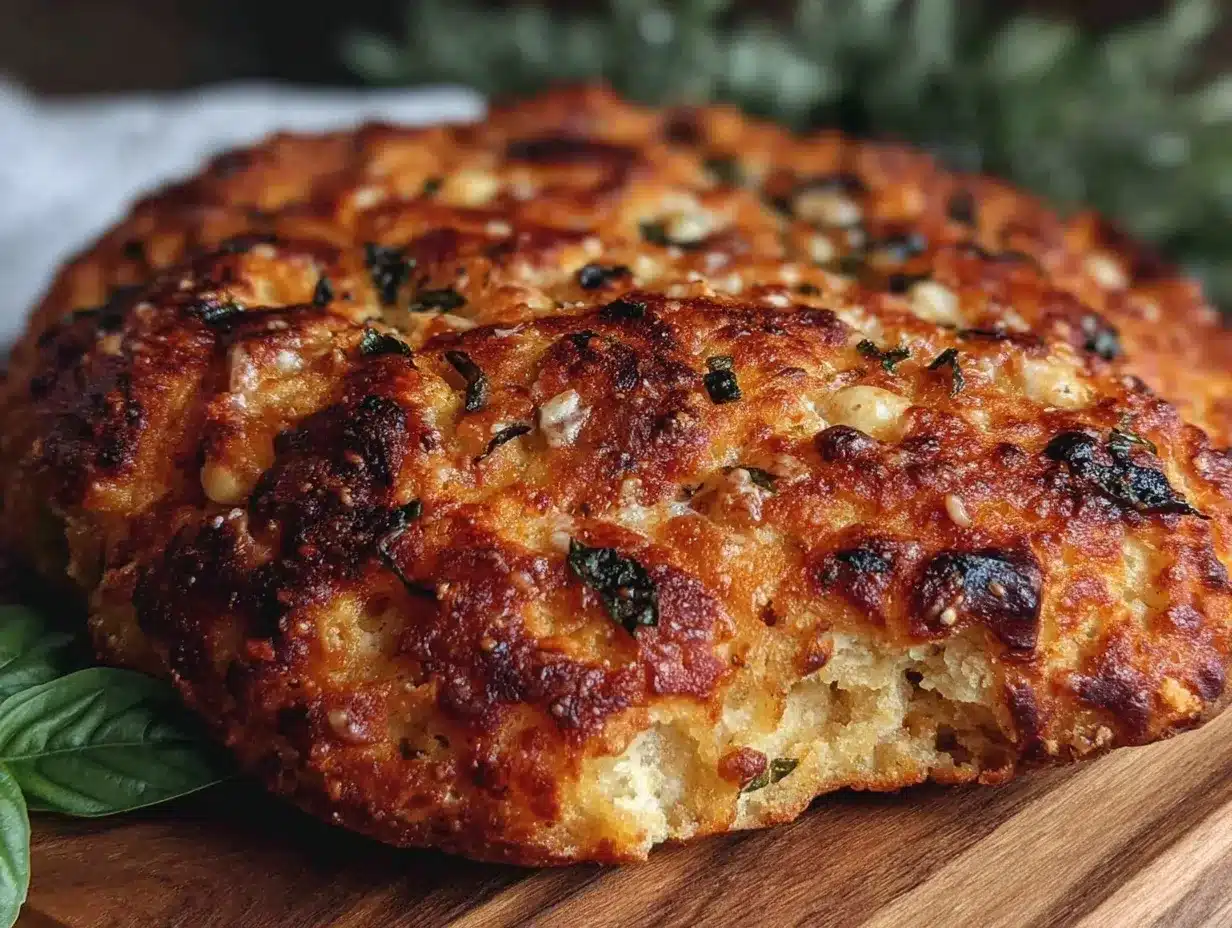
- Pre-bake the crust: Slide the crust (on the parchment) onto the preheated pizza stone or baking sheet. Bake for 10-12 minutes until the edges turn golden and the crust is firm to the touch. This step is crucial for that crispy finish.
- Add toppings: Remove the crust from the oven and quickly add your favorite sauce, cheese, and toppings. Don’t overload it—too many wet toppings can soften the crust.
- Bake again: Return the pizza to the oven and bake another 8-10 minutes until cheese is melted and bubbly, and toppings are cooked.
- Cool slightly: Let the pizza sit for 5 minutes on a cooling rack before slicing. This helps the crust firm up a bit more, so it doesn’t fall apart when you cut it.
One trick I learned the hard way: don’t skip the pre-bake. If you add toppings right away, the crust gets soggy fast. Also, using warm water and apple cider vinegar really improves the dough’s elasticity and flavor—so give it a shot! The crust should smell nutty and inviting when it comes out of the oven, with golden edges that tell you it’s perfectly crisp.
Cooking Tips & Techniques
Making a crispy gluten-free pizza crust can feel tricky at first, but a few tips can save you from disappointment. First, precise measuring is key. Gluten-free flours behave differently, so a little too much or too little can throw off the texture.
Always preheat your oven fully and heat your pizza stone or baking sheet before baking. That initial blast of heat helps the crust crisp from the bottom up. Also, resist the urge to overload your pizza with toppings. You want flavor, yes, but too much moisture means a soggy crust.
When mixing the dough, use warm water but not hot—just warm enough to help the ingredients meld without cooking the egg. And don’t skip the resting time after baking; letting the pizza cool slightly keeps the crust sturdy.
One mistake I made often was rolling the dough too thin or uneven. Keep it around ⅛ inch thick, and use your fingertips if rolling pin sticks or breaks the dough. Gluten-free doughs are more delicate, but with a gentle touch, they come together nicely.
Lastly, if you want extra crunch, brush the edges with olive oil before pre-baking. It adds flavor and helps browning. Trust me, these little tricks make a big difference.
Variations & Adaptations
- Herb-Infused Crust: Add 1 teaspoon dried oregano or Italian seasoning to the dry ingredients for an aromatic twist.
- Low-Carb Version: Swap tapioca starch with additional almond flour and add 1 tablespoon ground flaxseed to help bind the dough.
- Dairy-Free & Vegan: Replace the egg with a flax egg (1 tablespoon ground flaxseed + 3 tablespoons water, let sit 5 minutes) and use coconut oil instead of olive oil.
- Cauliflower Crust: For a veggie-packed option, blend steamed cauliflower and mix with almond flour and egg, but expect a softer, more delicate crust.
- Cooking Method: Try baking the crust in a cast-iron skillet for a rustic, pan-fried crispness.
I once made this crust with fresh rosemary and cracked black pepper sprinkled on top before baking—such a simple addition but it gave the pizza an amazing earthy aroma. Feel free to experiment with your favorite spices and toppings.
Serving & Storage Suggestions
Serve this crispy gluten-free pizza crust hot or warm for the best texture. It pairs beautifully with a simple arugula salad or roasted veggies for a balanced meal. A chilled glass of sparkling water with lemon or a light red wine complements the flavors nicely.
If you have leftovers, store the pizza in an airtight container in the refrigerator for up to 3 days. To keep the crust crispy when reheating, place slices on a baking sheet and warm in a 375°F (190°C) oven for 5-8 minutes instead of microwaving.
The crust holds up well frozen, too—just wrap leftover crusts or whole pizzas tightly in plastic wrap and foil, then freeze for up to 2 months. Thaw in the fridge overnight before reheating.
Interestingly, the flavors meld and deepen a bit when the pizza sits a day, making for a tasty next-day lunch or snack.
Nutritional Information & Benefits
This gluten-free pizza crust is naturally grain-free and lower in carbs compared to traditional wheat-based doughs. Almond flour provides healthy fats, protein, and vitamin E, which supports skin health and antioxidant protection. Tapioca starch adds chewiness without gluten or added sugars.
Per slice (assuming 8 slices per pizza), you can expect roughly:
| Nutrient | Amount |
|---|---|
| Calories | 180 |
| Fat | 14g |
| Carbohydrates | 8g |
| Protein | 5g |
| Fiber | 3g |
Because it’s gluten-free and grain-free, this crust is suitable for people with gluten intolerance, celiac disease, or those following paleo or low-carb diets. Just be mindful of nut allergies due to the almond flour.
Conclusion
This crispy gluten-free pizza crust recipe has become my quiet kitchen hero. It’s the one I rely on when I want pizza that feels homemade but holds its own in texture and flavor. I love that it’s straightforward, uses simple ingredients, and delivers that satisfying crunch without gluten. Feel free to customize it with your favorite herbs, toppings, or dietary tweaks to make it truly yours.
If you try this recipe, I’d love to hear how it goes and what variations you come up with. There’s something special about sharing food that brings a little joy and comfort to busy days or casual get-togethers. Here’s to many crispy, perfect homemade pizzas in your future!
FAQs
Can I make this pizza crust ahead of time?
Yes! You can prepare the dough and refrigerate it for up to 24 hours before shaping and baking. Just cover it tightly with plastic wrap.
What if I don’t have tapioca starch?
Tapioca starch is important for the chewiness, but you can try substituting with arrowroot powder or cornstarch, though texture may vary slightly.
How do I get the crust extra crispy?
Preheat your pizza stone or baking sheet and pre-bake the crust before adding toppings. Brushing the edges lightly with olive oil also helps.
Is this crust suitable for vegans?
With a flax egg substitute and coconut oil instead of olive oil, yes, it can be vegan-friendly, though texture might be a bit different.
Can I freeze leftover pizza?
Absolutely! Wrap leftover pizza tightly in plastic wrap and foil, then freeze for up to 2 months. Reheat in the oven for best results.
Pin This Recipe!
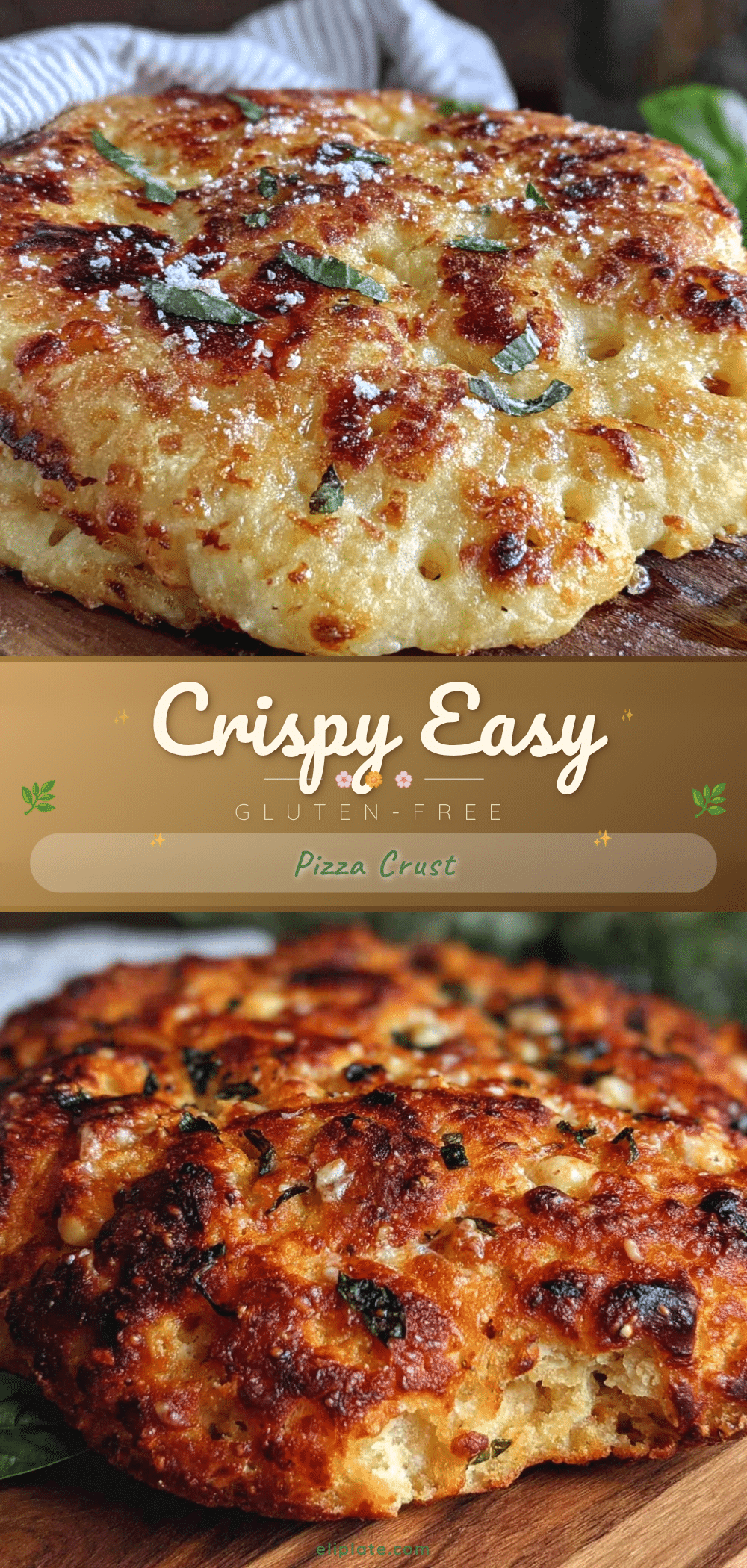
Crispy Gluten-Free Pizza Crust Recipe Easy Perfect Homemade Pizza Crust

A simple and reliable gluten-free pizza crust recipe that delivers a crispy, chewy texture without gluten. Perfect for busy weeknights or casual gatherings, this crust holds up well under toppings and is easy to make with pantry staples.
- Prep Time: 10 minutes
- Cook Time: 20 minutes
- Total Time: 30 minutes
- Yield: 8 servings 1x
- Category: Main Course
- Cuisine: American
Ingredients
- 1 ½ cups almond flour (about 150g), finely ground
- ½ cup tapioca starch (60g)
- 1 teaspoon baking powder
- ½ teaspoon salt
- 1 large egg, room temperature
- 2 tablespoons olive oil
- ¼ cup warm water (60 ml)
- 1 teaspoon apple cider vinegar (optional)
Instructions
- Preheat your oven to 425°F (220°C). If using a pizza stone, place it in the oven to heat for at least 30 minutes.
- In a medium bowl, whisk together almond flour, tapioca starch, baking powder, and salt until well combined.
- In another bowl, beat the egg, then whisk in olive oil, warm water, and apple cider vinegar (if using).
- Slowly pour wet ingredients into the dry mix, stirring with a spatula until a sticky dough forms.
- Line a baking sheet with parchment paper. Wet your hands lightly and press the dough evenly onto the paper, forming a 10-12 inch circle about ⅛ inch thick.
- Slide the crust (on the parchment) onto the preheated pizza stone or baking sheet. Bake for 10-12 minutes until edges turn golden and crust is firm.
- Remove the crust from the oven and add your favorite sauce, cheese, and toppings without overloading.
- Return the pizza to the oven and bake another 8-10 minutes until cheese is melted and toppings are cooked.
- Let the pizza sit for 5 minutes on a cooling rack before slicing to help the crust firm up.
Notes
Do not skip the pre-bake step to avoid soggy crust. Use warm water (not hot) to help dough come together smoothly. Brushing edges with olive oil before pre-baking adds extra crispness and flavor. Avoid overloading toppings to keep crust crispy. Dough can be refrigerated for up to 24 hours before baking. For vegan version, substitute egg with flax egg and olive oil with coconut oil.
Nutrition
- Serving Size: 1 slice (1/8 of pizz
- Calories: 180
- Sugar: 1
- Sodium: 250
- Fat: 14
- Saturated Fat: 1.5
- Carbohydrates: 8
- Fiber: 3
- Protein: 5
Keywords: gluten-free pizza crust, crispy pizza crust, homemade pizza, gluten-free baking, almond flour pizza crust, tapioca starch pizza crust, easy pizza dough