“You really can’t mess this up,” my friend said over the phone while I was dithering over what to bring to Easter brunch. Honestly, I was skeptical—frittatas always felt a bit fussy, and I wasn’t sure if my picky crew would go for the goat cheese angle. But with a fridge full of spring veggies and only a couple of hours before guests arrived, I gave it a shot. The sizzle of asparagus hitting the pan, the sweet smell of leeks softening, and the creamy tang of goat cheese melting in made the whole kitchen feel like a little spring party. By the time I slid it out of the oven, golden and puffed, my doubts had melted away just like the cheese.
That first bite was a quiet revelation—a perfect balance of fresh garden flavors and comforting richness. Easter brunch suddenly felt less like a chore and more like a celebration of simple, fresh ingredients coming together without a fuss. I found myself making this fresh spring vegetable and goat cheese frittata over and over that season, tweaking it with whatever was fresh at the market. It’s the kind of dish that makes you pause and appreciate the little things—the crisp snap of peas, the earthy sweetness of ramps, the way the eggs hold everything together just right.
It stuck with me not just for the flavors, but because it’s the kind of recipe that welcomes everyone to the table—whether you’re a brunch pro or someone who usually leans on takeout. Plus, it’s a nice change from the usual ham and potatoes spread. I’m sharing it here because it’s become my go-to for Easter mornings or any time I want to feel like the season is really shining through my cooking.
Why You’ll Love This Recipe
This fresh spring vegetable and goat cheese frittata isn’t your everyday egg dish. Here’s why it has a special place in my brunch rotation:
- Quick & Easy: Ready in under 35 minutes, which means you get more time to enjoy your company instead of stressing in the kitchen.
- Simple Ingredients: Uses everyday staples and seasonal veggies—no hunting down rare items or weird spices.
- Perfect for Easter Brunch: The bright, fresh veggies scream spring, making it ideal for holiday tables or weekend gatherings.
- Crowd-Pleaser: Even folks wary of goat cheese end up loving the creamy, subtle tang it adds—trust me on this.
- Unbelievably Delicious: The contrast between the tender vegetables and the silky eggs with pockets of melted cheese is just next-level comfort food.
What makes this frittata stand apart is the way the goat cheese melts into little bursts of creaminess, and how the spring vegetables aren’t just an afterthought—they’re front and center, fresh and vibrant. Unlike heavier brunch casseroles, this dish feels light but satisfying. It’s the kind of recipe I’ve come back to repeatedly, tweaking with ramps when they’re in season or swapping in peas and radishes, which means you can make it your own each time.
Honestly, it’s the kind of recipe that makes you close your eyes after the first bite and just savor the moment. If you’re looking for a dish that feels both special and effortless, this is it.
What Ingredients You Will Need
This recipe uses simple, wholesome ingredients to deliver bold flavor and satisfying texture without the fuss. Most of these are pantry staples or fresh spring finds, and many have easy swaps if you need them.
- Eggs: 8 large eggs (room temperature for best fluffiness)
- Milk or Cream: ½ cup whole milk or half-and-half (for richness; swap with almond milk for dairy-free)
- Fresh Goat Cheese: 4 ounces, crumbled (look for creamy, spreadable goat cheese like Chavrie)
- Spring Vegetables:
- 1 cup asparagus, trimmed and cut into 1-inch pieces
- ½ cup peas, fresh or thawed frozen
- ½ cup leeks, thinly sliced (white and light green parts only)
- ½ cup baby spinach or fresh ramps, roughly chopped
- Olive Oil: 2 tablespoons, for sautéing (extra virgin preferred)
- Garlic: 1 clove, minced (adds subtle depth)
- Fresh Herbs: 2 tablespoons chopped chives or parsley (optional but recommended)
- Salt & Pepper: To taste (don’t hold back on the pepper—it wakes everything up)
If you want to swap goat cheese, feta is a decent alternative but changes the flavor profile. For a vegan twist, try a firm tofu scramble with nutritional yeast, though it won’t be quite the same cozy richness. When asparagus or ramps aren’t in season, green beans or zucchini work well too.
Equipment Needed
- Oven-Safe Skillet: A 10-inch cast-iron or non-stick skillet works perfectly. I love cast iron for the even heat and oven durability, but if you don’t have one, a sturdy non-stick skillet that can go in the oven is fine.
- Mixing Bowl: For whisking eggs and milk together.
- Whisk or Fork: To beat the eggs until fluffy.
- Spatula: For stirring and transferring veggies.
- Measuring Cups and Spoons: To keep everything precise (especially for eggs and milk).
Not everyone has a cast iron skillet, and honestly, a glass pie dish can be used instead—just transfer the sautéed veggies and egg mixture into it before baking. If you’re using a non-stick skillet, avoid metal utensils to keep the coating intact. I’ve found that seasoning my cast iron regularly keeps it non-stick and ready for frittata mornings.
Preparation Method
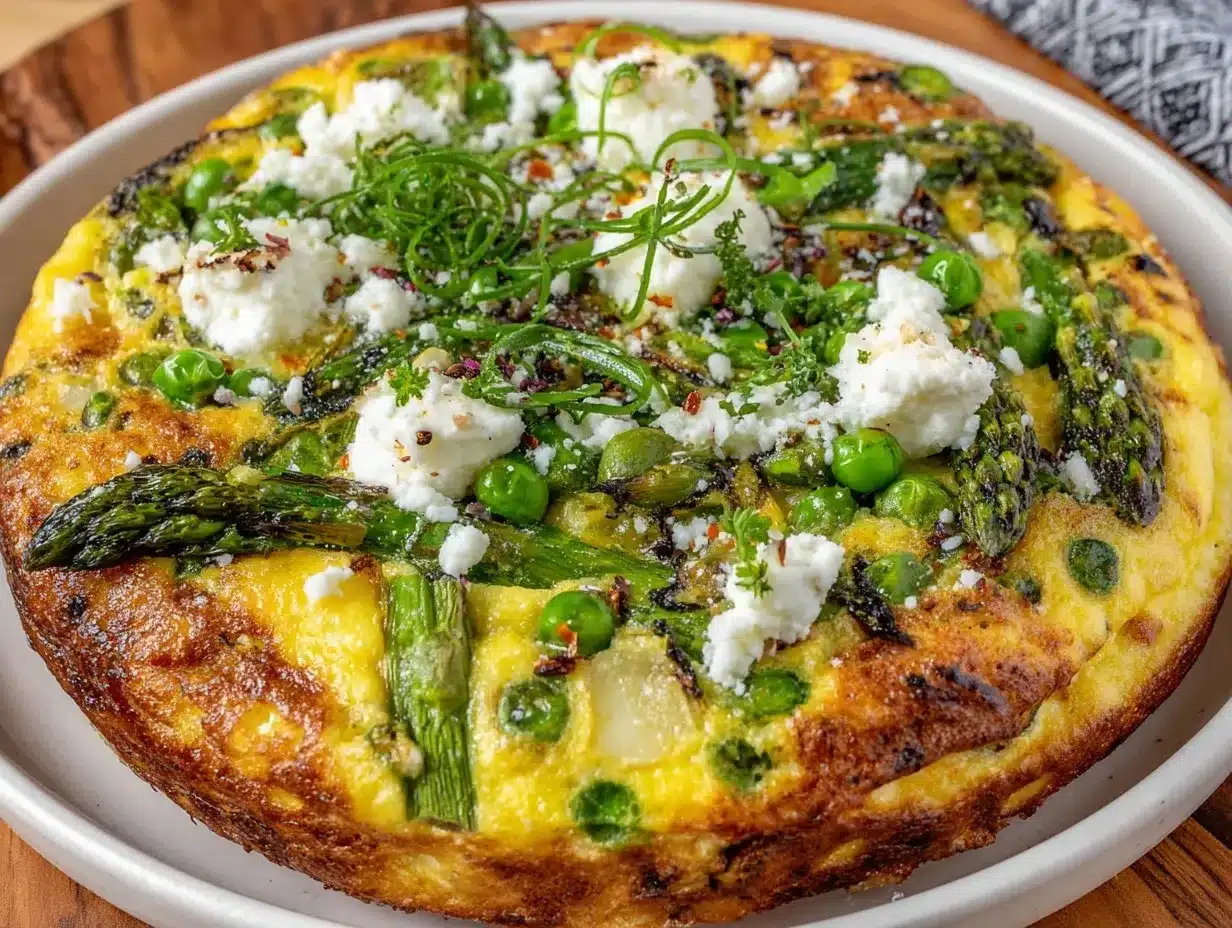
- Prep the Vegetables (10 minutes): Rinse and trim asparagus, slice leeks thinly, and chop any other greens. Fresh peas should be shelled if needed. This step is all about prepping your ingredients so the cooking flows smoothly.
- Preheat the Oven (2 minutes): Turn your oven to 375°F (190°C). Having it ready is key since this frittata finishes in the oven.
- Sauté the Veggies (8 minutes): Heat 2 tablespoons olive oil in your oven-safe skillet over medium heat. Add leeks and garlic first, cooking until softened and fragrant, about 3 minutes. Toss in asparagus and peas, cooking another 4-5 minutes until tender but still bright green. Add spinach or ramps last, cooking just until wilted. Season lightly with salt and pepper.
- Whisk the Eggs (3 minutes): While the veggies cook, crack 8 large eggs into a bowl. Add ½ cup milk or cream and a pinch of salt and pepper. Whisk vigorously until the mixture is light and a bit frothy—this helps the frittata stay fluffy.
- Combine and Add Cheese (2 minutes): Pour the egg mixture evenly over the sautéed vegetables in the skillet. Scatter crumbled goat cheese on top, distributing it so you get pockets of creamy goodness throughout.
- Cook on the Stovetop (3-4 minutes): Let the eggs set on the bottom over medium-low heat. You want the edges to start firming up but the center still runny. This avoids overcooking in the oven later.
- Bake the Frittata (10-12 minutes): Transfer the skillet to the preheated oven. Bake until the eggs are fully set and the top is lightly golden, about 10 to 12 minutes. You can check by gently shaking the pan—no liquid egg should jiggle.
- Rest and Garnish (2 minutes): Remove the frittata from the oven and let it rest for a couple of minutes. Sprinkle with fresh chopped chives or parsley for a pop of color and fresh flavor.
Pro tip: If your skillet handle isn’t oven-safe, wrap it tightly with aluminum foil before baking. Also, if you notice the top browning too fast, tent loosely with foil. The texture should be tender and creamy, not dry or rubbery.
Cooking Tips & Techniques
One of the trickiest parts of making a frittata is getting the texture just right. You want it firm enough to slice but still creamy and tender inside. Whisking your eggs well and using room-temperature eggs really helps create that fluffy texture.
Don’t rush the sautéing of the vegetables—they need to be tender but still vibrant and slightly crisp to add that fresh spring bite. Overcooking them makes the whole dish dull.
I’ve learned to trust my oven’s temperature rather than guessing. An oven thermometer can be a worthwhile investment if you bake often. Also, cooking the frittata on the stovetop briefly before baking helps develop a nice crust on the edges, which makes the texture way more interesting.
Be mindful of salt, especially if your goat cheese is already tangy and salty. It’s better to start light and add more if needed after baking. And if you want to save time, you can prepare the vegetables the night before and store them in the fridge—just bring them to room temp before adding the eggs.
Variations & Adaptations
- Seasonal Veggie Swap: Try adding thinly sliced radishes or baby zucchini for a different crunch and flavor. In summer, fresh cherry tomatoes work wonders.
- Dairy-Free Option: Replace goat cheese with a vegan cream cheese or omit cheese entirely and add nutritional yeast for cheesy flavor.
- Protein Boost: Stir in cooked and crumbled bacon or diced ham for a heartier brunch, or try smoked salmon for a fancy twist.
- Herb Variations: Swap chives and parsley for fresh tarragon or dill to change the herbaceous notes.
- Cooking Method: If you don’t have an oven-safe skillet, cook the egg and veggie mixture in a greased baking dish, or try making mini frittatas in a muffin tin for easy portioning.
I personally love adding ramps when they’re in season—there’s something about their garlicky, oniony flavor that just sings in this dish. Sometimes I throw in a handful of fresh peas straight from the garden, which adds this sweet pop you won’t want to miss.
Serving & Storage Suggestions
This frittata is best served warm or at room temperature, making it perfect for leisurely Easter brunches. Serve it with crusty bread or a light green salad dressed with lemon vinaigrette to keep things fresh and balanced.
Leftovers can be stored in an airtight container in the refrigerator for up to 3 days. Reheat gently in a low oven or microwave to keep it from drying out. It’s also great cold or at room temp the next day—kind of like a savory breakfast slice you can grab on the go.
If you want to prepare ahead, you can assemble the frittata the night before and bake it fresh in the morning. The flavors actually deepen a bit after resting, so leftovers can taste even better.
Nutritional Information & Benefits
This fresh spring vegetable and goat cheese frittata packs a nutritious punch. Eggs provide high-quality protein and essential vitamins like B12 and D. The spring vegetables contribute fiber, antioxidants, and a range of vitamins including C and K.
Goat cheese, compared to cow’s milk cheese, tends to be easier to digest and has beneficial fatty acids. Using olive oil adds heart-healthy monounsaturated fats. Overall, this recipe fits well into gluten-free and low-carb diets.
For those watching calories, the fat content can be adjusted by swapping cream for milk or reducing cheese slightly. It’s a wholesome, balanced dish that feels indulgent without being heavy.
Conclusion
If you’re after a fresh, flavorful dish that brings spring right to your Easter table, this fresh spring vegetable and goat cheese frittata is a winner. It’s flexible, forgiving, and always manages to impress without a ton of fuss.
Give yourself permission to tweak it based on what veggies you find or what cheese you love. I’ve made it with everything from ramps to peas to baby spinach, and each version has its own charm. Honestly, it’s become a little ritual of mine every spring.
Feel free to share your own spins or questions below—I love hearing how others make this recipe their own. Here’s to bright, fresh mornings and good food shared around the table.
Frequently Asked Questions
Can I make this frittata ahead of time?
Absolutely! You can prep the vegetables the day before and refrigerate. Assemble and bake fresh on the day you want to serve it for the best texture.
What if I don’t have goat cheese?
Feta cheese is a good substitute, or you can omit cheese and add nutritional yeast for a cheesy flavor without dairy.
Is this recipe gluten-free?
Yes, it’s naturally gluten-free as it contains no wheat or gluten ingredients.
Can I add meat to the frittata?
Definitely. Cooked bacon, ham, or sausage can be added during the vegetable sauté step for extra protein and flavor.
How do I know when the frittata is done?
The edges should be set and slightly golden, and the center should not jiggle when you gently shake the pan. A toothpick inserted in the center should come out clean.
For a brunch that captures the fresh, hopeful spirit of spring without stress, this frittata will be your new favorite. And if you want more simple savory ideas for your next gathering, you might enjoy the creamy one pot chicken pasta or the easy keto stuffed peppers recipe, both great for quick, flavor-packed meals. Happy cooking!
Pin This Recipe!
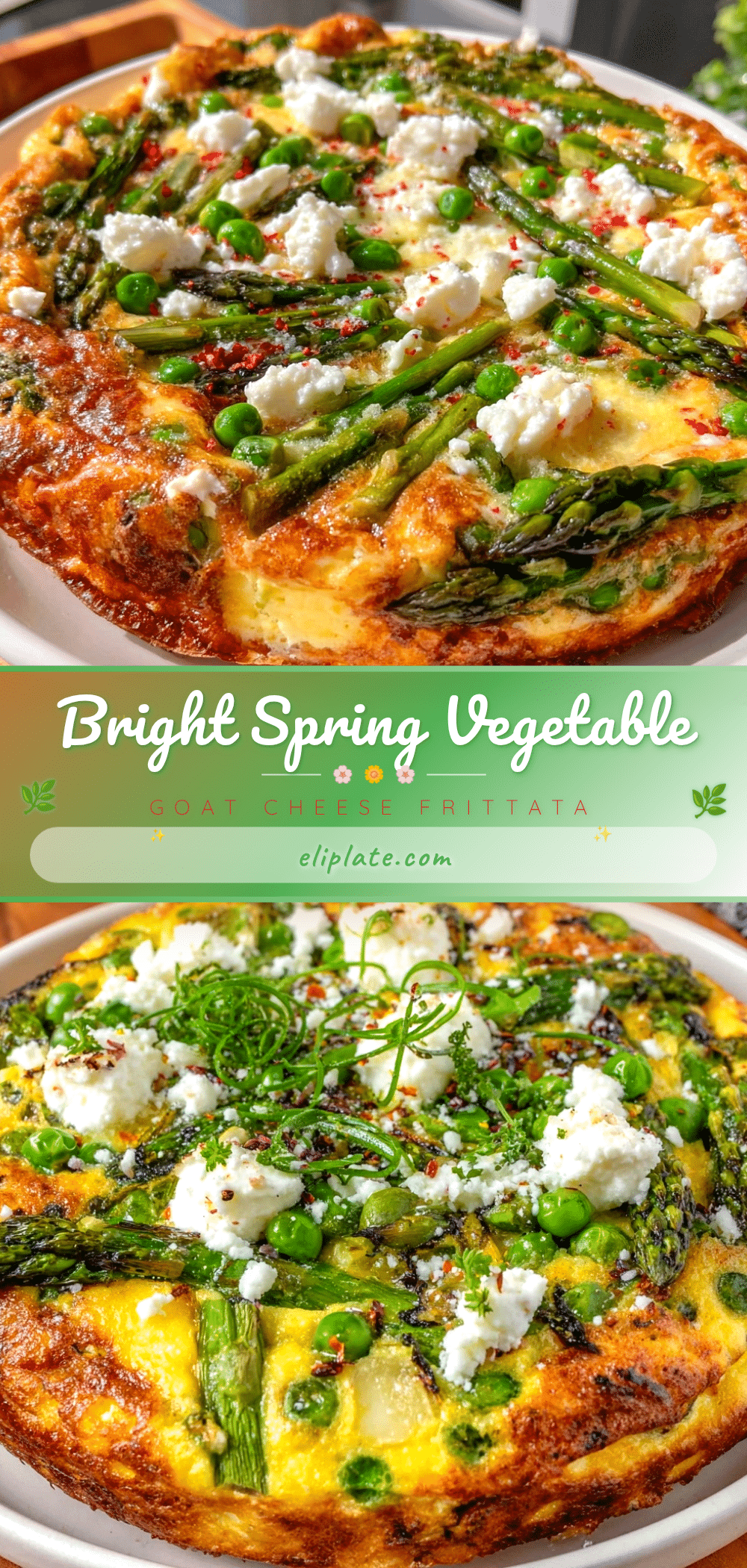
Fresh Spring Vegetable and Goat Cheese Frittata

A quick and easy frittata featuring fresh spring vegetables and creamy goat cheese, perfect for Easter brunch or any spring gathering.
- Prep Time: 15 minutes
- Cook Time: 20 minutes
- Total Time: 35 minutes
- Yield: 6 servings 1x
- Category: Main Course
- Cuisine: American
Ingredients
- 8 large eggs (room temperature)
- 1/2 cup whole milk or half-and-half (can substitute almond milk for dairy-free)
- 4 ounces fresh goat cheese, crumbled
- 1 cup asparagus, trimmed and cut into 1-inch pieces
- 1/2 cup peas, fresh or thawed frozen
- 1/2 cup leeks, thinly sliced (white and light green parts only)
- 1/2 cup baby spinach or fresh ramps, roughly chopped
- 2 tablespoons olive oil (extra virgin preferred)
- 1 clove garlic, minced
- 2 tablespoons fresh herbs (chopped chives or parsley, optional)
- Salt and pepper to taste
Instructions
- Prep the vegetables: rinse and trim asparagus, slice leeks thinly, chop greens, and shell peas if needed.
- Preheat the oven to 375°F (190°C).
- Heat olive oil in an oven-safe 10-inch skillet over medium heat. Add leeks and garlic and sauté for about 3 minutes until softened and fragrant.
- Add asparagus and peas and cook for another 4-5 minutes until tender but still bright green.
- Add spinach or ramps last and cook just until wilted. Season lightly with salt and pepper.
- While the vegetables cook, whisk eggs, milk or cream, salt, and pepper in a mixing bowl until light and frothy.
- Pour the egg mixture evenly over the sautéed vegetables in the skillet.
- Scatter crumbled goat cheese on top, distributing evenly.
- Cook on the stovetop over medium-low heat for 3-4 minutes until the edges start to set but the center is still runny.
- Transfer the skillet to the preheated oven and bake for 10-12 minutes until eggs are fully set and the top is lightly golden.
- Remove from oven and let rest for 2 minutes.
- Garnish with fresh chopped chives or parsley before serving.
Notes
If skillet handle is not oven-safe, wrap it with aluminum foil before baking. Tent loosely with foil if top browns too fast. Use room-temperature eggs for fluffiness. Vegetables should be tender but still vibrant. Salt lightly as goat cheese is salty. Vegetables can be prepped the night before and brought to room temperature before cooking.
Nutrition
- Serving Size: 1 slice (1/6 of frit
- Calories: 210
- Sugar: 2
- Sodium: 280
- Fat: 15
- Saturated Fat: 5
- Carbohydrates: 6
- Fiber: 2
- Protein: 14
Keywords: frittata, spring vegetables, goat cheese, Easter brunch, easy brunch recipe, healthy brunch, gluten-free, vegetarian