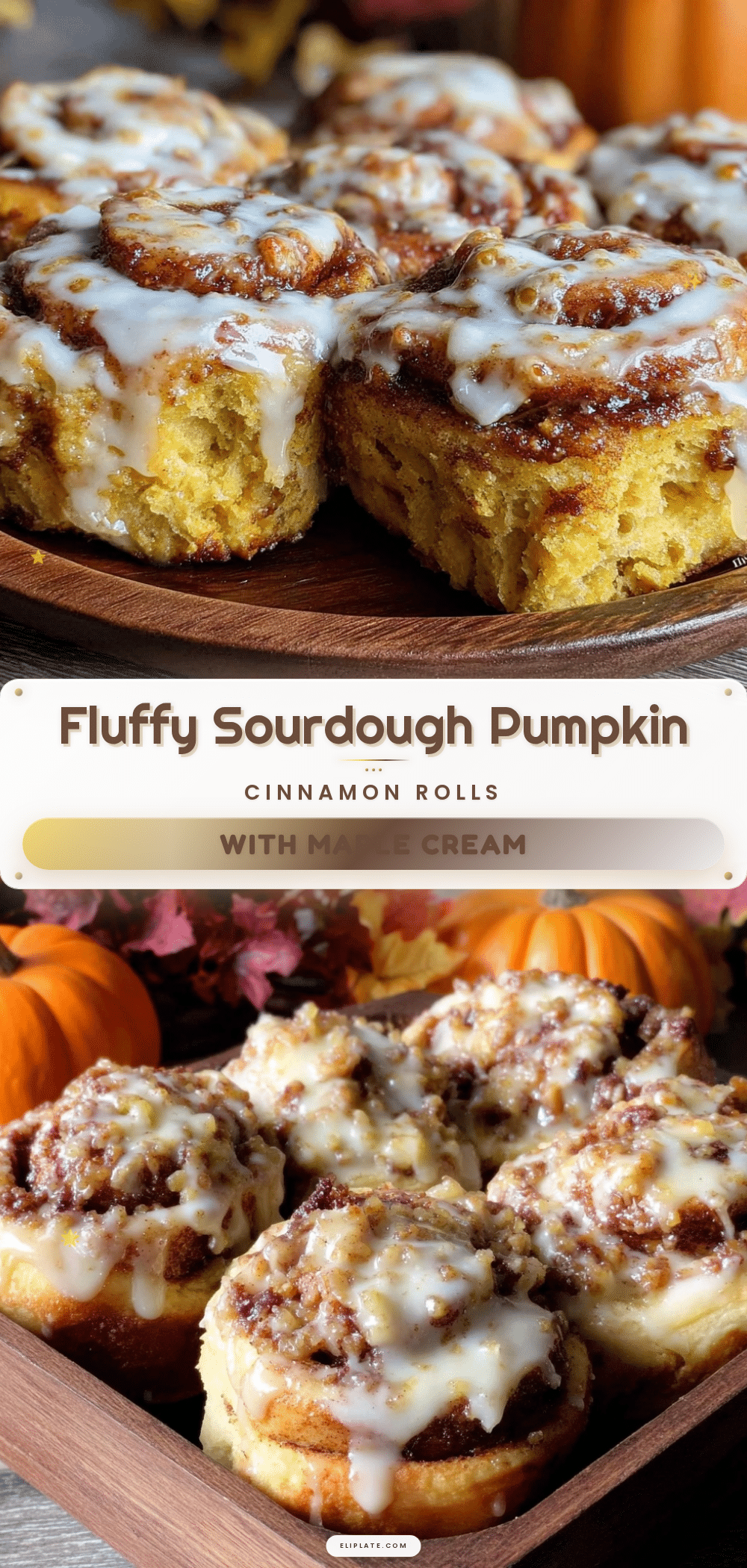
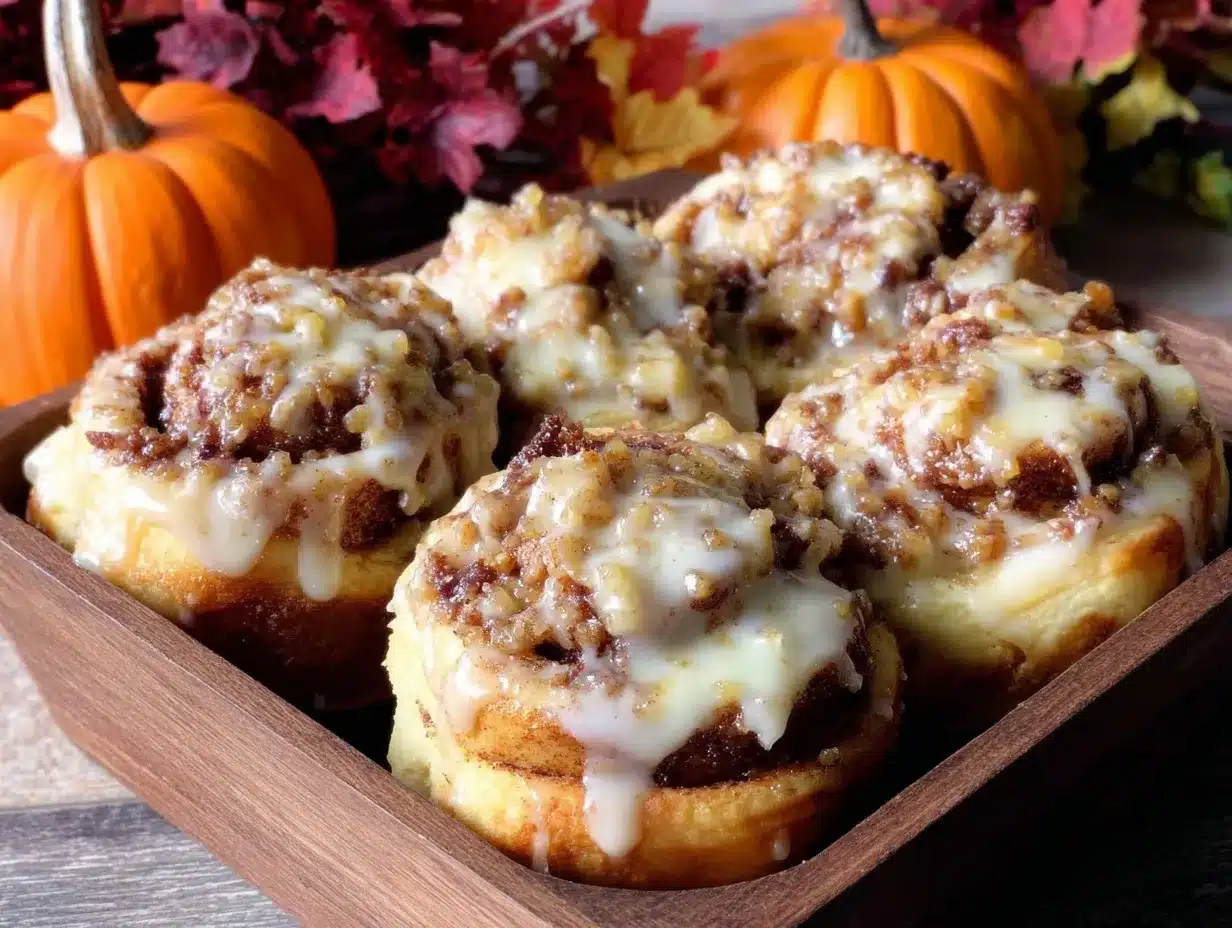
Fluffy sourdough pumpkin cinnamon rolls—the very phrase makes you want to touch that pillowy dough, right? The way the dough stretches, soft and tender, with just a hint of that rustic sourdough tang creating a delicate springiness beneath your fingertips. That subtle bounce is what I made this recipe for—everything else is secondary. When I first pulled these rolls from the oven, the light, airy texture was undeniable, almost like biting into a soft cloud with cinnamon-spiced ribbons swirling inside. And that maple cream cheese glaze? It’s not just a topping; it’s a silky, glossy blanket that pools perfectly around the edges, making every bite a little piece of fall morning magic.
I remember sitting by the window that chilly autumn day, the warm rolls cooling on the rack while outside, leaves tumbled in the wind. The dough had taken longer to rise than usual, but the final texture was worth every patient minute. The pumpkin puree gave it a softness and subtle sweetness that paired beautifully with the sourdough’s tang, creating a complex, comforting mouthfeel. Honestly, it’s the kind of recipe where you taste with your fingers and eyes first—the way the light catches the glaze, the way the rolls pull apart with ease. That texture obsession is why it stuck with me.
These rolls aren’t just about flavor, although the warm cinnamon and maple notes are a dream. They’re about that perfect, tender crumb that makes you want to reach for another one before the first is even finished. It’s the texture that makes this recipe feel like a secret handshake among bakers who appreciate a dough that’s alive and full of personality. No rushed yeast or plain enriched dough here—just the slow, satisfying rhythm of sourdough fermentation and pumpkin’s tender embrace. It’s a cozy promise in every bite, and that’s probably why it’s become a fall staple in my kitchen.
Why You’ll Love This Recipe
Fluffy sourdough pumpkin cinnamon rolls with maple cream cheese glaze are more than just a treat; they’re a little ritual of comfort and patience that pays off big time. From my kitchen trials and many test batches, here’s why these rolls stand out and why you’ll want them in your baking rotation:
- Quick & Easy: While sourdough might sound intimidating, this recipe comes together in under 4 hours, including rising time—perfect for a weekend morning or a cozy afternoon project.
- Simple Ingredients: These rolls rely on pantry staples like pumpkin puree, cinnamon, and a healthy sourdough starter—no exotic items needed.
- Perfect for Fall Gatherings: Whether it’s brunch with friends or a holiday morning, these rolls bring warmth and seasonal flair to the table.
- Crowd-Pleaser: Kids and adults both adore the soft texture and sweet-spiced filling, making these rolls a guaranteed hit.
- Unbelievably Delicious: The combo of sourdough tang, pumpkin softness, and rich maple cream cheese glaze creates a flavor and texture profile that’s genuinely next-level comfort food.
What makes these rolls different? It’s the way the sourdough starter gives the dough a subtle depth that commercial yeast can’t match, adding a gentle tang that balances the sweetness. Plus, incorporating pumpkin puree keeps the crumb moist and fluffy, without weighing it down. The maple cream cheese glaze is my favorite twist—it’s smooth, lightly sweet, and adds just enough richness without overpowering the rolls. Honestly, after the first bite, you close your eyes and savor that harmony of flavors and textures. It’s cozy, it’s satisfying, and it’s got enough personality to impress guests without any fuss.
If you love recipes like the overnight cinnamon roll French toast bake, this sourdough pumpkin version will feel like a fresh, seasonal take that’s just as comforting and even more textured.
What Ingredients You Will Need
This recipe uses simple, wholesome ingredients to deliver bold flavor and satisfying texture without the fuss. Most are pantry staples, and a few seasonal touches make it perfect for fall baking. Here’s what you’ll need:
- For the Dough:
- Active sourdough starter (100% hydration) – about 150g (5.3 oz)
- All-purpose flour – 450g (3 ¾ cups), plus extra for dusting
- Pure pumpkin puree – 120g (½ cup), not pumpkin pie filling
- Whole milk – 120ml (½ cup), warmed (can substitute almond milk for dairy-free)
- Granulated sugar – 50g (¼ cup)
- Unsalted butter – 60g (4 tbsp), melted and cooled (use dairy-free for vegan option)
- Large egg – 1, room temperature
- Ground cinnamon – 1 teaspoon
- Salt – 1 teaspoon
- For the Filling:
- Brown sugar – 100g (½ cup), packed
- Ground cinnamon – 2 tablespoons
- Unsalted butter – 60g (4 tbsp), softened
- For the Maple Cream Cheese Glaze:
- Cream cheese – 113g (4 oz), softened
- Unsalted butter – 30g (2 tbsp), softened
- Powdered sugar – 120g (1 cup), sifted
- Pure maple syrup – 2 tablespoons
- Vanilla extract – ½ teaspoon
I recommend King Arthur flour for its consistent performance and a lively sourdough starter that’s been fed regularly for best texture. If fresh pumpkin isn’t around, canned pumpkin puree works well, just avoid pie filling to keep flavors balanced. For a gluten-free twist, you could try a blend of gluten-free flour, but the texture might be less airy. Maple syrup quality really shines here—go for 100% pure maple for that rich, nuanced sweetness.
Equipment Needed
- Large mixing bowl – for dough mixing and rising
- Bench scraper or dough scraper – essential for handling sticky sourdough dough
- Rolling pin – to roll out the dough evenly
- 9×13 inch (23×33 cm) baking dish – to bake the cinnamon rolls
- Kitchen scale – highly recommended for accurate measurements
- Plastic wrap or kitchen towel – to cover dough during rising
- Stand mixer with dough hook (optional) – handy but not necessary; dough can be mixed by hand
- Small mixing bowl – for mixing the glaze
If you don’t have a bench scraper, a sturdy spatula or even a butter knife can help with dough handling. Using a kitchen scale might feel like extra work, but it really makes a difference in sourdough baking consistency. I’ve tried rolling with a wine bottle in a pinch, but a proper rolling pin gives better control over dough thickness. For keeping your cream cheese smooth, room temperature is key—take it out 30 minutes before mixing.
Preparation Method
- Feed and prepare your sourdough starter: About 4 hours before starting, feed your starter to ensure it’s bubbly and active for the dough. You’ll need approximately 150g (5.3 oz) of this active starter.
- Mix the dough: In a large bowl, combine 450g (3 ¾ cups) all-purpose flour, 50g (¼ cup) granulated sugar, 1 teaspoon cinnamon, and 1 teaspoon salt. In a separate bowl, whisk together 120ml (½ cup) warmed milk, 120g (½ cup) pumpkin puree, 60g (4 tbsp) melted butter, 1 large egg, and the 150g sourdough starter.
- Combine wet and dry ingredients: Pour the wet mixture into the dry and stir until a sticky dough forms. Use a wooden spoon or your hands to bring it together. The dough will be tacky but cohesive.
- Bulk ferment: Cover the bowl with plastic wrap or a damp towel. Let the dough rest at room temperature for 3 to 4 hours, folding the dough gently every hour to develop gluten. The dough should roughly double in size, feel airy, and slightly springy to the touch.
- Prepare the filling: Mix 100g (½ cup) packed brown sugar with 2 tablespoons cinnamon. Set aside the softened 60g (4 tbsp) butter for spreading.
- Roll out the dough: Lightly flour your work surface and roll the dough into a rectangle about 12×16 inches (30×40 cm). It should be about ¼ inch thick. If the dough resists stretching, let it rest for 10 minutes and try again.
- Add filling: Spread the softened butter evenly over the dough, leaving a small border around the edges. Sprinkle the cinnamon-sugar mixture generously over the butter.
- Roll and cut: Starting from the longer edge, gently roll the dough into a tight log. Use a sharp knife or dental floss to cut into 10 to 12 even rolls (about 1 ½-inch slices).
- Second rise: Place the rolls cut side up in a greased 9×13 inch (23×33 cm) baking dish. Cover loosely with plastic wrap and let rise for 1.5 to 2 hours until puffy but not necessarily doubled.
- Bake: Preheat your oven to 350°F (175°C). Bake the rolls for 25-30 minutes until golden brown and cooked through. Watch carefully—the glaze will soak in beautifully when warm.
- Make the maple cream cheese glaze: While rolls bake, beat together 113g (4 oz) softened cream cheese, 30g (2 tbsp) softened butter, 120g (1 cup) powdered sugar, 2 tablespoons pure maple syrup, and ½ teaspoon vanilla extract until smooth and fluffy.
- Glaze and serve: Spoon the glaze generously over warm rolls right after they come out of the oven. Let it melt slightly into the nooks and crannies for that perfect sticky finish.
Pro tip: If your dough feels tough or hard to roll, don’t rush—let it sit covered for 10 minutes to relax. And if your sourdough starter is unusually active, the rising times may be shorter, so keep an eye on that dough! The texture should be springy and soft, not dense or gummy.
Cooking Tips & Techniques
Working with sourdough can be a little intimidating, but here are some tips I’ve learned from both success and (honestly) a few batches that didn’t quite puff like I wanted:
- Active starter is king: Make sure your sourdough starter is bubbly and recently fed. I usually feed mine about 4-6 hours before mixing to catch it at peak activity.
- Don’t skimp on the folds: Folding during bulk fermentation helps build gluten without tough kneading. It’s a gentle, rhythmic pull and fold every hour that makes the dough strong and elastic.
- Pumpkin puree temperature: Use room temperature or slightly warmed pumpkin so it blends smoothly into the dough. Cold puree can slow fermentation.
- Watch your oven temperature: Every oven is a little different. I recommend an oven thermometer to keep it steady at 350°F (175°C). Too hot and the rolls brown too fast on the outside but stay doughy inside.
- Glaze timing: Apply the maple cream cheese glaze while the rolls are warm, not hot. Too hot and the glaze melts off; too cool and it won’t spread smoothly.
- Multitasking tip: While the rolls have their second rise, whip up that glaze and even tidy the kitchen. You’ll be ready to go as soon as they come out.
One memorable fail was rushing the bulk ferment because I was eager to eat. The rolls came out dense and chewy—not the soft, fluffy texture I wanted. Patience is key with sourdough, especially when you’re adding pumpkin, which adds moisture but can weigh dough down if rushed. Now I always give the dough the time it needs and fold patiently for the best crumb.
Variations & Adaptations
If you want to switch things up, here are some tasty options I’ve tried or imagined for different occasions or dietary needs:
- Vegan option: Swap out butter for coconut oil or vegan margarine and use a plant-based cream cheese for the glaze. Use almond or oat milk instead of dairy milk.
- Spiced up: Add a pinch of nutmeg, ground ginger, or cloves to the dough and filling for a more complex fall spice profile.
- Gluten-free twist: Use a gluten-free flour blend designed for yeast baking. The texture won’t be quite the same, but it still yields a soft, tasty roll.
- Different filling ideas: Try swapping the cinnamon sugar for chopped toasted pecans and brown sugar or adding a swirl of cream cheese filling inside the roll for extra richness.
- Alternative glaze flavors: Replace maple syrup with honey or a touch of bourbon for a boozy glaze variation I once experimented with—it was surprisingly good!
One fun variation I did was turning these rolls into a brunch centerpiece by pairing them with fresh fruit and a side of whipped cream, reminiscent of the light creaminess in my layered cheesecake bars. It’s a crowd-pleaser that feels indulgent but approachable.
Serving & Storage Suggestions
Serve these fluffy sourdough pumpkin cinnamon rolls warm, just glazed, ideally with a cup of coffee or chai tea to complement the cinnamon and maple notes. They look gorgeous on a rustic wooden board or a simple white plate—letting their warm hues and glossy glaze shine.
If you want to store leftovers, wrap the rolls tightly in plastic wrap or place them in an airtight container. They keep well at room temperature for 1-2 days or in the refrigerator for up to 5 days. For longer storage, freeze the unglazed rolls individually wrapped; thaw overnight in the fridge and warm in the oven before glazing.
Reheat gently at 300°F (150°C) for 10-15 minutes to regain that soft texture without drying out. The flavors actually deepen after a day or two, so leftovers can be even better. Just reapply a little extra glaze if you want that fresh-from-the-oven shine.
Nutritional Information & Benefits
Estimated per roll (assuming 12 rolls): approximately 270 calories, 6g fat, 40g carbohydrates, 4g protein. These rolls offer a source of complex carbohydrates for sustained energy, and the pumpkin provides vitamin A, fiber, and antioxidants. Using sourdough fermentation also aids digestibility compared to standard yeast rolls.
This recipe can be adapted for gluten-free or dairy-free diets, making it versatile for many. The inclusion of real pumpkin adds a nourishing aspect often missing in sweet treats, and the homemade glaze lets you control sugar content better than store-bought options.
Conclusion
Fluffy sourdough pumpkin cinnamon rolls with maple cream cheese glaze are one of those recipes that transform simple ingredients into a cozy experience—soft dough with a tender crumb, a sweet-spiced swirl, and a luscious glaze that just feels like home. Whether you’re a sourdough fan or new to baking with starters, this recipe is approachable and rewarding.
Feel free to tweak the spices, try different fillings, or adjust the glaze sweetness to match your mood and pantry. I love this recipe because it’s as much about the process and texture as it is the final bite—the kind of baking that invites you to slow down and savor every step.
If you enjoyed the comforting flavors here, you might also appreciate the warm, creamy richness of the creamy no-stir mushroom risotto—another recipe where texture and patience make all the difference.
Give this recipe a try, and I’d love to hear how you put your own spin on it or what texture moments stood out to you in the comments below. Happy baking and cozy mornings!
FAQs
Can I use commercial yeast instead of sourdough starter?
Yes, you can substitute 2 ¼ teaspoons (1 packet) of active dry yeast. Adjust rising times accordingly, usually 1-2 hours for bulk ferment and 45-60 minutes for second rise.
What if my dough is too sticky to roll out?
Lightly flour your surface and rolling pin. If still sticky, let the dough rest covered for 10-15 minutes to relax the gluten before trying again.
Can I prepare these rolls ahead of time?
Absolutely! You can assemble the rolls, cover, and refrigerate overnight. Bring them to room temperature and allow the second rise before baking the next day.
How do I store leftover rolls?
Store cooled rolls in an airtight container at room temperature for 1-2 days or in the fridge for up to 5 days. Freeze unglazed rolls for longer storage.
What is the best way to reheat the cinnamon rolls?
Warm in a 300°F (150°C) oven for 10-15 minutes until soft and heated through. Reapply glaze if desired for that fresh-baked feel.
Pin This Recipe!